Close Menu

    Subscribe to Updates

    Get the latest creative news from FooBar about art, design and business.

    What's Hot

    Your Complete Guide to Common Diseases and Symptoms

    May 20, 2026

    Revolutionizing Training: Innovative Medical Education Strategies for Clinicians

    May 19, 2026

    The Complete Medical Diagnosis Guide for Better Patient Care

    May 19, 2026
    Facebook X (Twitter) Instagram
    My BlogMy Blog
    Facebook X (Twitter) Instagram
    • Homepage
    • About us
    • Contact us
    My BlogMy Blog
    Home»Medical Education»Innovations in Medical Education: Tech & Best Practices
    Medical Education

    Innovations in Medical Education: Tech & Best Practices

    adminBy adminMay 14, 2026No Comments11 Mins Read
    Facebook Twitter Pinterest LinkedIn Tumblr Reddit WhatsApp Email
    Medical Education
    Share
    Facebook Twitter LinkedIn Pinterest WhatsApp Email

    Medical Education focuses on training healthcare professionals through structured learning, clinical practice, and modern digital tools. It enhances knowledge, improves patient care, and integrates innovative technologies like simulation and e-learning to strengthen future healthcare systems.
    The Evolving Landscape of Medical Education Innovation

    Medical education is undergoing a fundamental shift. Institutions are rethinking how they prepare students for the realities of modern healthcare. Traditional lectures and textbook memorization no longer meet the demands of complex patient care. Instead, Medical Education Innovation focuses on interactive, technology-driven, and highly adaptable learning environments.

    Much like how digital marketing strategies segment and target specific audiences, modern medical programs now tailor educational content to individual learning styles. This approach ensures that future doctors and nurses develop both the clinical expertise and the emotional intelligence required for superior patient outcomes. Personalized learning pathways, adaptive assessments, and competency-based evaluation systems are becoming central to this transformation.

    Technology as a Catalyst for Change

    Digital transformation is reshaping the classroom and the clinic. By integrating advanced tools, educators create immersive experiences that bridge the gap between theory and practice. From simulation labs to AI-assisted learning platforms, technology is making medical education more precise, engaging, and outcome-driven than ever before.

    Data analytics also plays a growing role in this evolution. Educators can now track student performance in real time, identify learning gaps, and adjust teaching methods accordingly. This continuous feedback loop enhances both teaching efficiency and student success rates.

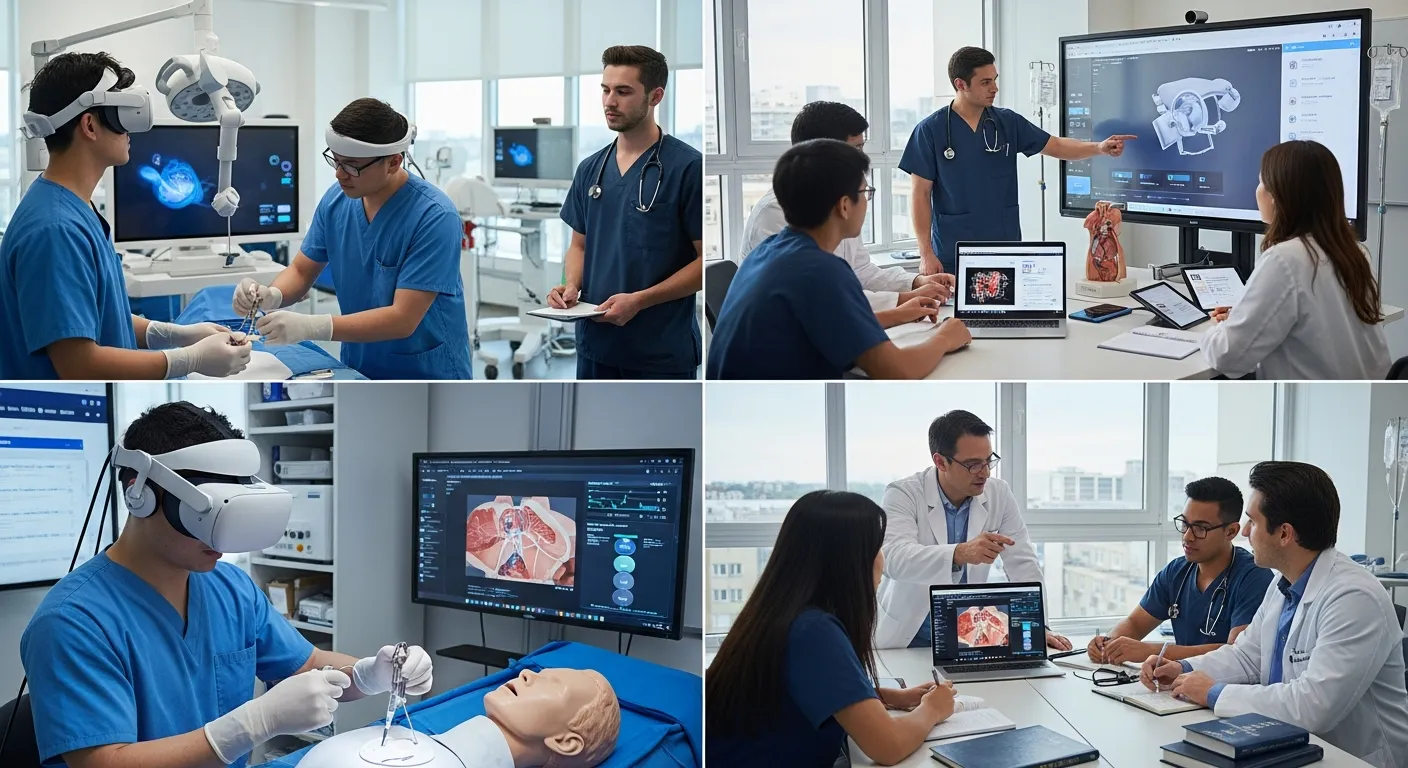
    [Image alt text: A medical student wearing a VR headset to practice surgical techniques]

    Virtual and Augmented Reality in Medical Training

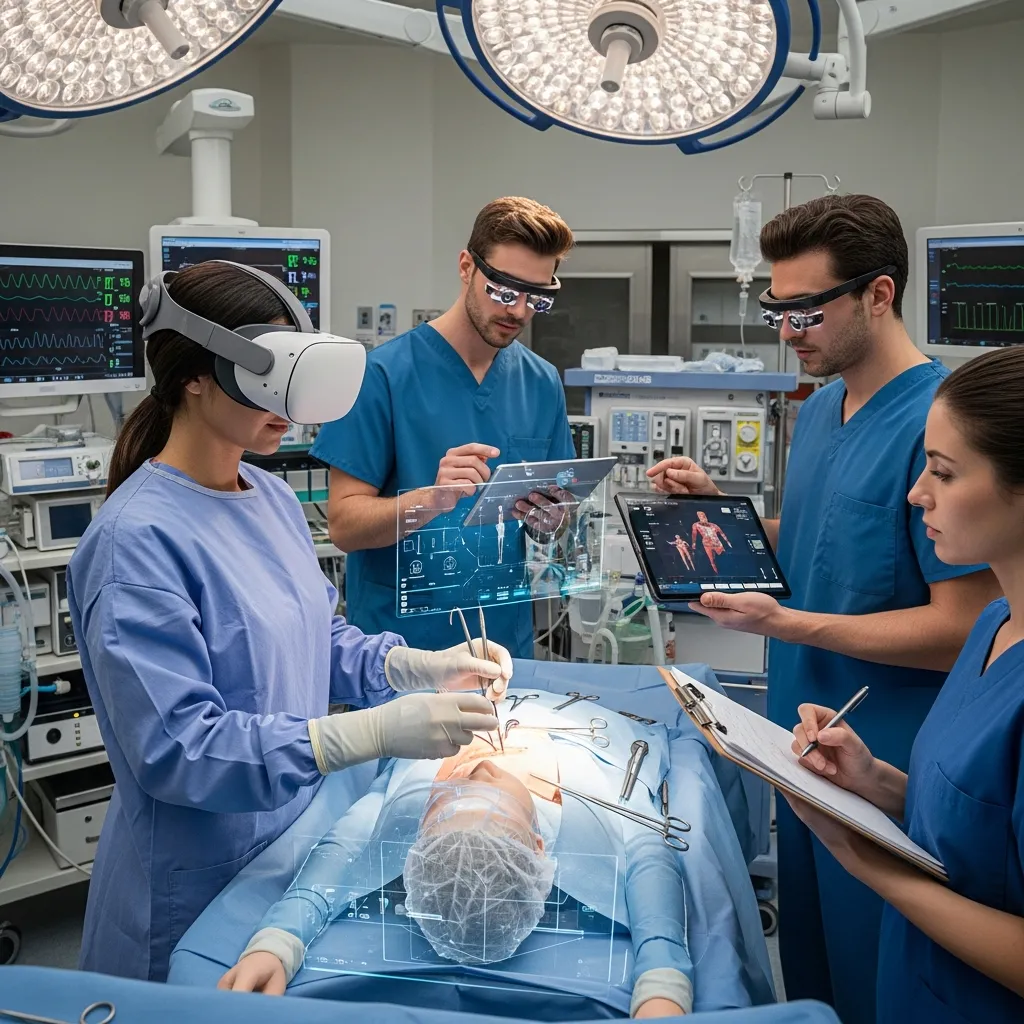
    VR and AR medical training illustrationVirtual reality (VR) and augmented reality (AR) allow students to explore human anatomy in three dimensions. Learners can perform simulated surgeries without risking patient safety. These immersive environments provide immediate feedback, helping students refine their motor skills and spatial awareness. The visual engagement of VR mirrors successful interactive content marketing, capturing attention and improving knowledge retention.

    Beyond basic training, VR and AR are also being used for complex scenario-based learning. Students can experience emergency situations such as trauma care, cardiac arrest response, and surgical complications in a controlled environment. This prepares them for high-pressure decision-making in real clinical settings.

    In addition, collaborative VR platforms now allow students from different parts of the world to participate in shared simulations. This global learning experience builds teamwork, communication skills, and cross-cultural medical understanding—skills that are essential in today’s interconnected healthcare systems.

    As these technologies continue to evolve, Medical Education Innovation is expected to become even more immersive, data-driven, and personalized, ultimately reshaping how future healthcare professionals are trained.

    AI and Machine Learning in Diagnostics and Education

    Artificial intelligence does more than analyze medical data; it personalizes the educational journey. AI-driven platforms track student progress, identifying knowledge gaps and adjusting coursework accordingly. This data-centric approach resembles the customer journey mapping used by top marketing automation platforms like HubSpot, ensuring each student receives the right information at the exact right time.

    Telemedicine and Remote Learning Platforms

    The rise of telehealth has fundamentally altered clinical practice, making remote learning platforms essential. Medical students now learn how to diagnose and consult with patients through video interfaces. This shift requires excellent digital communication skills, mirroring the tactics used in successful email marketing campaigns to build trust and rapport from a distance.

    Gamification for Engagement and Skill Development

    Gamification applies game-design elements to non-game contexts. Leaderboards, point systems, and interactive case studies motivate students to complete complex modules. By rewarding progress, educational programs boost engagement and completion rates. This strategy borrows heavily from user engagement models discussed by leaders at the Content Marketing Institute, proving that interactive milestones keep learners committed.
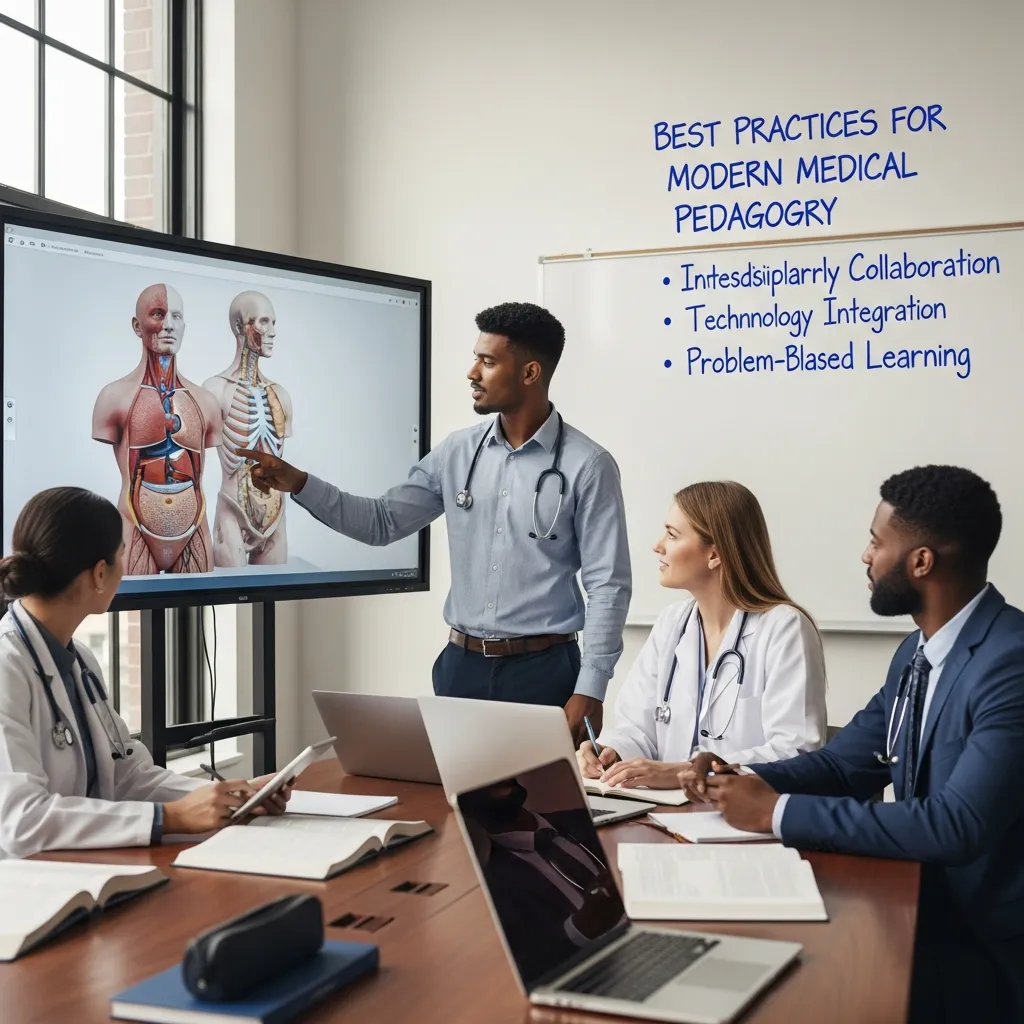
    Best Practices for Modern Medical Pedagogy

    Medical pedagogy illustrationTechnology alone cannot drive Medical Education Innovation. Institutions must also adopt progressive teaching methodologies that emphasize practical skills, critical thinking, and collaborative care. Modern pedagogy is shifting toward learner-centered models where students actively participate rather than passively receive information.

    Another important shift is the integration of continuous assessment instead of relying only on final examinations. This ensures students consistently build competency over time and receive timely feedback to improve performance.

    Competency-Based Medical Education (CBME)

    CBME shifts the focus from the time spent in a classroom to the actual mastery of specific skills. Students progress only after demonstrating clinical competence. This ensures that every graduating physician meets a rigorous standard of care, regardless of how long it takes them to learn the material.

    This approach also encourages accountability and self-directed learning. Students are encouraged to identify their weaknesses early and actively work on them through targeted practice and mentorship.

    Interprofessional Education (IPE) and Team-Based Learning

    Healthcare is a team effort. IPE brings together medical, nursing, and pharmacy students to learn collaboratively. By solving clinical cases as a unit, students develop the communication skills necessary for effective real-world patient care. This collaborative model reduces clinical errors and improves workplace efficiency.

    Team-based learning also exposes students to different professional perspectives. Understanding the roles of other healthcare workers fosters respect and smoother coordination in future clinical environments.

    Personalized Learning Paths and Adaptive Curricula

    Adaptive curricula adjust to the pace of the learner. If a student struggles with cardiology, the system provides additional resources and practice tests. If they excel in neurology, the curriculum advances them to more complex topics. This personalized strategy keeps students appropriately challenged and actively engaged.

    With the help of AI-driven analytics, institutions can now predict learning gaps before they become serious issues. This proactive support system improves overall academic performance and reduces dropout rates.

    Simulation-Based Training for Clinical Proficiency

    High-fidelity manikins and simulated clinical environments offer a safe space for students to practice high-stakes scenarios. Whether managing a cardiac arrest or delivering a baby, simulation training builds muscle memory and critical thinking under pressure.

    These simulations also allow repeated practice without risk to patients, helping students build confidence before entering real clinical settings. Immediate feedback after each session helps refine both technical and decision-making skills.

    Fostering Critical Thinking and Problem-Solving Skills

    Memorizing facts is no longer sufficient. Medical professionals must analyze complex data and adapt to unexpected complications. Educators now use case-based learning to force students to think on their feet, analyzing symptoms and lab results to formulate accurate diagnoses.

    In addition, problem-based learning encourages curiosity and independent research. Students learn how to approach unfamiliar cases systematically, improving diagnostic accuracy and clinical reasoning skills over time.

    Addressing Challenges and Ensuring Equity

    While Medical Education Innovation offers incredible benefits, institutions must navigate significant hurdles to ensure these advancements benefit all students equally. The rapid shift toward digital learning, AI-driven tools, and simulation-based training must be implemented thoughtfully so that no learner is left behind.

    Another key concern is maintaining the balance between technology and human interaction. Even as digital platforms expand, face-to-face mentorship and bedside teaching remain essential for developing empathy, communication skills, and clinical judgment.

    Bridging the Digital Divide

    Not all students have equal access to high-speed internet or expensive digital devices. Medical schools must provide the necessary hardware and infrastructure to prevent a technology gap. Ensuring equitable access guarantees that all students can participate in remote learning and VR simulations.

    In addition, institutions can create on-campus digital resource centers where students can access high-performance systems, simulation labs, and stable internet connections. This helps level the playing field for learners from different socioeconomic backgrounds.

    Faculty Development and Training

    Educators cannot teach using tools they do not understand. Institutions must invest in ongoing faculty development. Training professors to effectively use AI platforms and simulation software is critical for a smooth technological transition in the classroom.

    Mentorship programs and peer-to-peer training among faculty can further accelerate adoption. When educators share best practices and real-world teaching experiences, it strengthens the overall quality of instruction and ensures consistent teaching standards.

    Ethical Considerations in AI and Data Use

    As AI tracks student performance and patient data, privacy concerns emerge. Medical programs must establish strict data governance policies. Protecting sensitive information is paramount, requiring secure platforms and transparent data usage agreements.

    Ethical AI use also includes ensuring that algorithms do not introduce bias into learning assessments or clinical simulations. Regular audits and transparency in how data is processed help build trust among students and educators.

    Ensuring Accessibility and Inclusivity

    Medical education must be inclusive. Software interfaces should accommodate students with visual or auditory impairments. Furthermore, clinical scenarios used in simulations must reflect diverse patient populations, ensuring students are prepared to treat people from all backgrounds.

    Inclusivity also extends to learning styles. Some students learn better through visual simulations, while others prefer reading or hands-on practice. Offering multiple learning formats ensures that every student has an equal opportunity to succeed in Medical Education Innovation.

    The Future of Medical Education: A Holistic Approach

    The most successful medical professionals combine technical expertise with deep human compassion. The future of healthcare training requires a balanced approach.

    Integrating Humanities and Empathy in Training

    A doctor’s bedside manner directly impacts patient recovery. Medical programs are increasingly integrating the humanities—such as literature, ethics, and communication—into their curricula. This training helps students understand the emotional and psychological aspects of illness.

    Lifelong Learning and Continuous Professional Development

    Graduation is just the beginning. Medical knowledge evolves constantly, making ongoing education essential. Discovering strategies for continuous improvement is vital, as outlined in this guide on lifelong learning in medical education. By embracing continuous development, practitioners maintain their clinical edge.

    Global Collaboration and Knowledge Exchange

    Medical education is no longer confined by geography. Digital platforms allow students and researchers to collaborate globally. This exchange of ideas accelerates medical breakthroughs. To see how these breakthroughs are evaluated, you can review how clinical trials are explained to understand the rigorous testing that supports global medical advancements.

    Shaping the Future of Healthcare Through Innovation
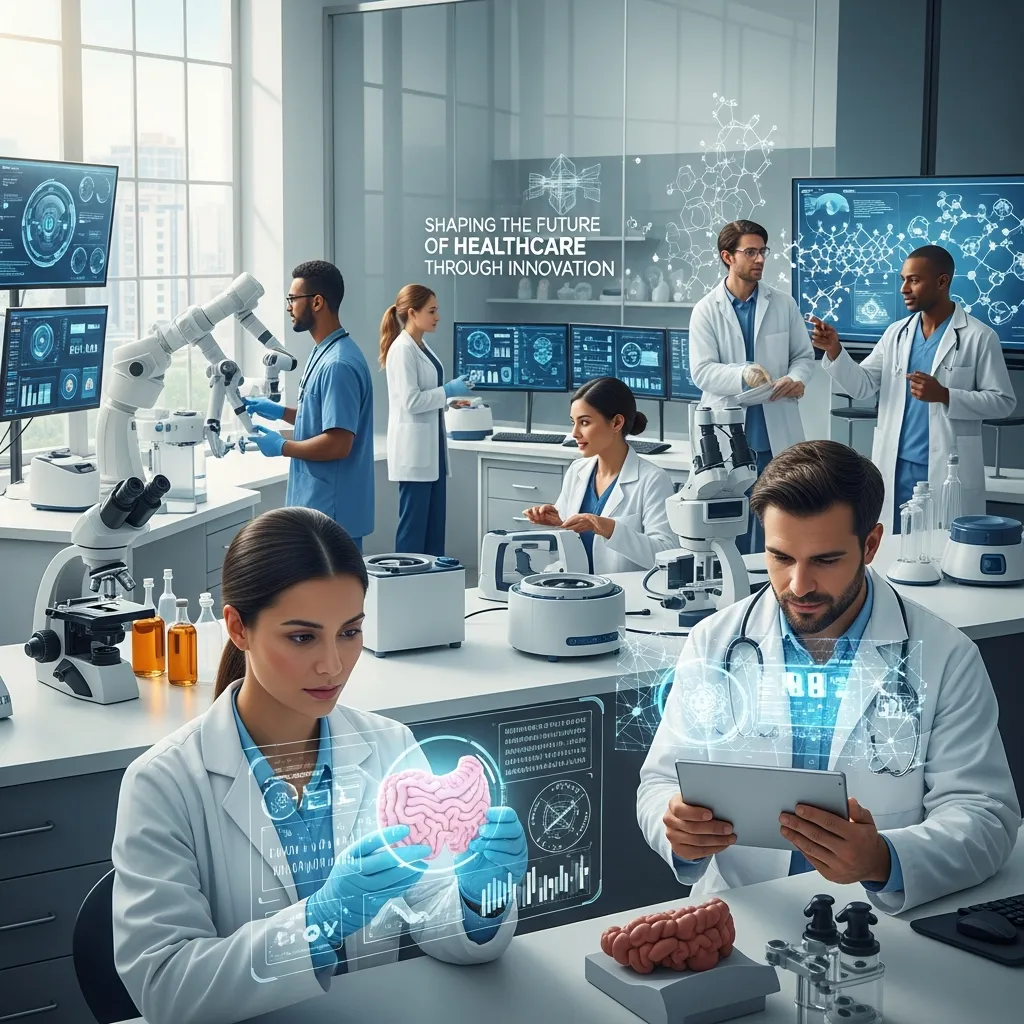
    Future healthcare innovation illustrationMedical Education Innovation is entirely reshaping how we prepare healthcare providers. By embracing AI, VR, and adaptive learning, institutions create dynamic environments that foster clinical excellence. Coupling these technologies with best practices like competency-based education and team-based learning ensures students are ready for real-world challenges. Ultimately, this commitment to innovation and equity will produce a generation of physicians who are not only highly skilled but deeply empathetic, ready to elevate the global standard of patient care.

    Conclusion

    Medical Education Innovation is reshaping the future of healthcare by combining technology, modern teaching methods, and learner-centered approaches. From AI-powered tools and simulation-based training to competency-based education, these advancements are creating more skilled, confident, and adaptable healthcare professionals.

    However, true progress depends on balance—ensuring accessibility, ethical use of technology, and continuous faculty development. When institutions address these challenges effectively, they create an inclusive learning environment where every student can succeed.

    FAQs

    1. How is virtual reality changing medical education?

    Virtual reality provides immersive, risk-free environments where students can practice surgical techniques and explore human anatomy, greatly enhancing spatial understanding and muscle memory.

    2. What is competency-based medical education?

    Competency-based medical education (CBME) focuses on the mastery of specific clinical skills rather than the amount of time spent in a classroom. Students progress by demonstrating real-world proficiency.

    3. How does AI contribute to medical training?

    AI personalizes the learning experience by tracking student performance, identifying knowledge gaps, and dynamically adjusting the curriculum to suit individual learning paces.

    4. What are the benefits of interprofessional education?

    Interprofessional education brings together different healthcare disciplines (like nursing, pharmacy, and medicine) to learn collaboratively. It improves communication, teamwork, and ultimately, patient safety.

    5. How can medical education address global health challenges?

    By utilizing digital platforms for global collaboration, medical schools can share research and best practices across borders, accelerating the response to worldwide health crises.

    6. What role does simulation play in clinical skill development?

    Simulation uses high-fidelity manikins and realistic clinical setups to let students practice high-stress medical scenarios without endangering actual patients, building confidence and critical thinking.

    7. How important is personalized learning in medical education?

    Personalized learning is crucial because it caters to individual strengths and weaknesses, ensuring that each student fully grasps complex concepts before moving forward.

    8. What ethical considerations arise with new technologies in medical education?

    Key ethical issues include protecting the data privacy of students and simulated patients, preventing algorithmic bias in AI tools, and ensuring equitable access to expensive digital resources.

    9. How can medical schools prepare students for telemedicine?

    Schools prepare students by incorporating digital communication training and remote diagnostic exercises into the curriculum, teaching them how to build rapport and assess patients through a screen.

    10. What are some strategies for lifelong learning in the medical field?

    Strategies include participating in continuous medical education (CME) programs, attending interdisciplinary grand rounds, and utilizing digital platforms to stay updated on the latest clinical trials and research.

    Clinical Learning Healthcare Professionals healthcare training Medical Curriculum Medical Education Medical Students
    admin
    • Website

    Related Posts

    Your Complete Guide to Common Diseases and Symptoms

    May 20, 2026

    Revolutionizing Training: Innovative Medical Education Strategies for Clinicians

    May 19, 2026

    The Complete Medical Diagnosis Guide for Better Patient Care

    May 19, 2026
    Leave A Reply Cancel Reply

    Our Picks

    Your Complete Guide to Common Diseases and Symptoms

    May 20, 2026

    Revolutionizing Training: Innovative Medical Education Strategies for Clinicians

    May 19, 2026

    The Complete Medical Diagnosis Guide for Better Patient Care

    May 19, 2026

    How Medical Education Technology is Transforming Training

    May 18, 2026
    Stay In Touch
    • Facebook
    • Twitter
    • Pinterest
    • Instagram
    • YouTube
    • Vimeo
    Facebook X (Twitter) Instagram Pinterest
    • About us
    • Contact us
    • Privacy Policy
    • Terms and Conditions
    © 2026 Theclinicalchannel. All Rights Reserved.

    Type above and press Enter to search. Press Esc to cancel.