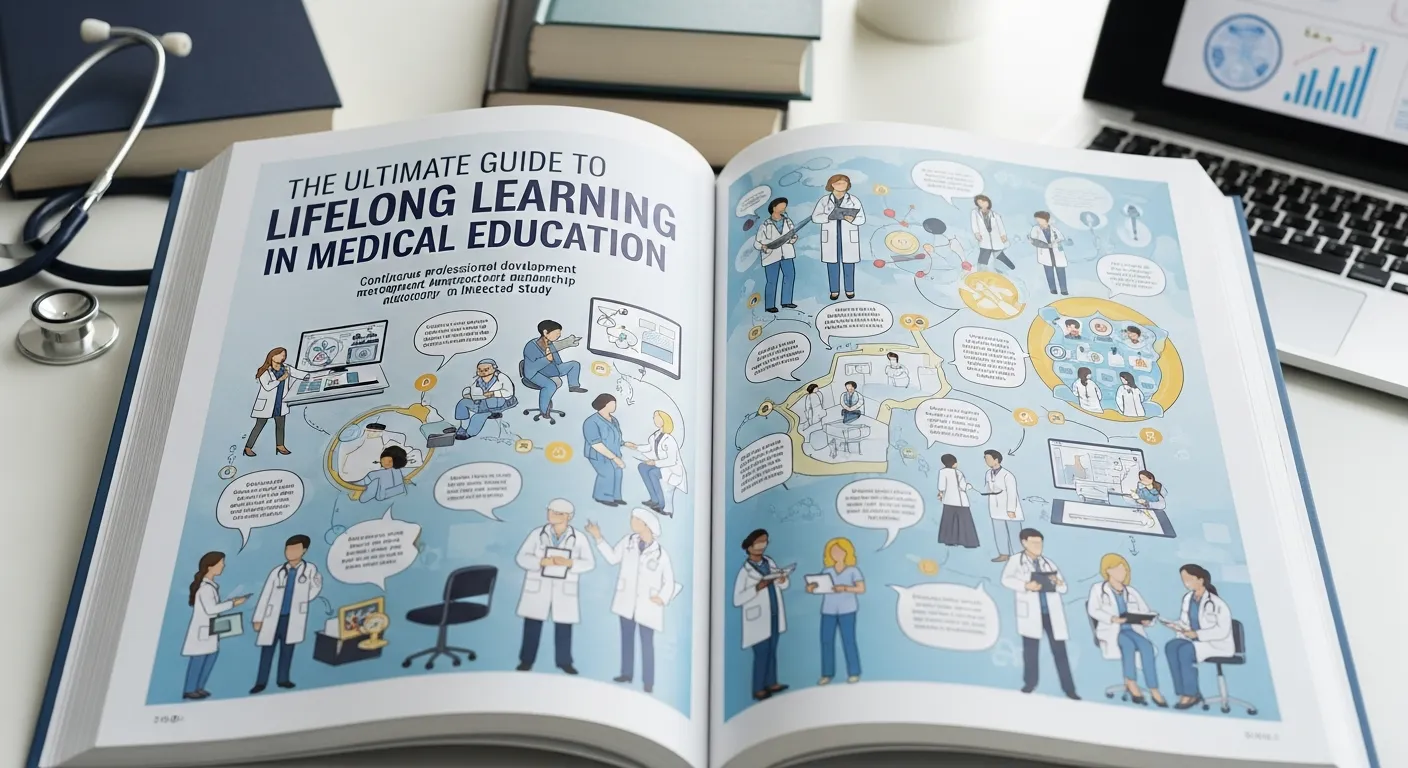
Lifelong Learning in Medical Education is essential for healthcare professionals to stay updated with evolving treatments, technologies, and practices. It enhances clinical skills, supports evidence-based care, and improves patient outcomes through continuous professional development and ongoing knowledge advancement.
Medical science never stands still. New treatments emerge, technologies advance, and patient needs shift over time. For healthcare professionals, graduating from medical school is only the beginning of a vast professional journey. Keeping up with rapid advancements requires dedication, making Lifelong Learning in Medical Education a fundamental requirement for anyone committed to delivering the highest standard of care.
This comprehensive guide explores the evolving landscape of modern medicine and the urgent necessity for continuous learning. You will discover the core pillars of medical education, effective strategies for cultivating a growth mindset, and the structural challenges that professionals face. By understanding how institutions support continuous development, practitioners can navigate information overload and enhance their clinical skills throughout their entire careers. Lifelong Learning in Medical Education ensures that healthcare providers stay updated with the latest evidence-based practices and improve patient outcomes through continuous professional growth.
Pillars of Lifelong Learning
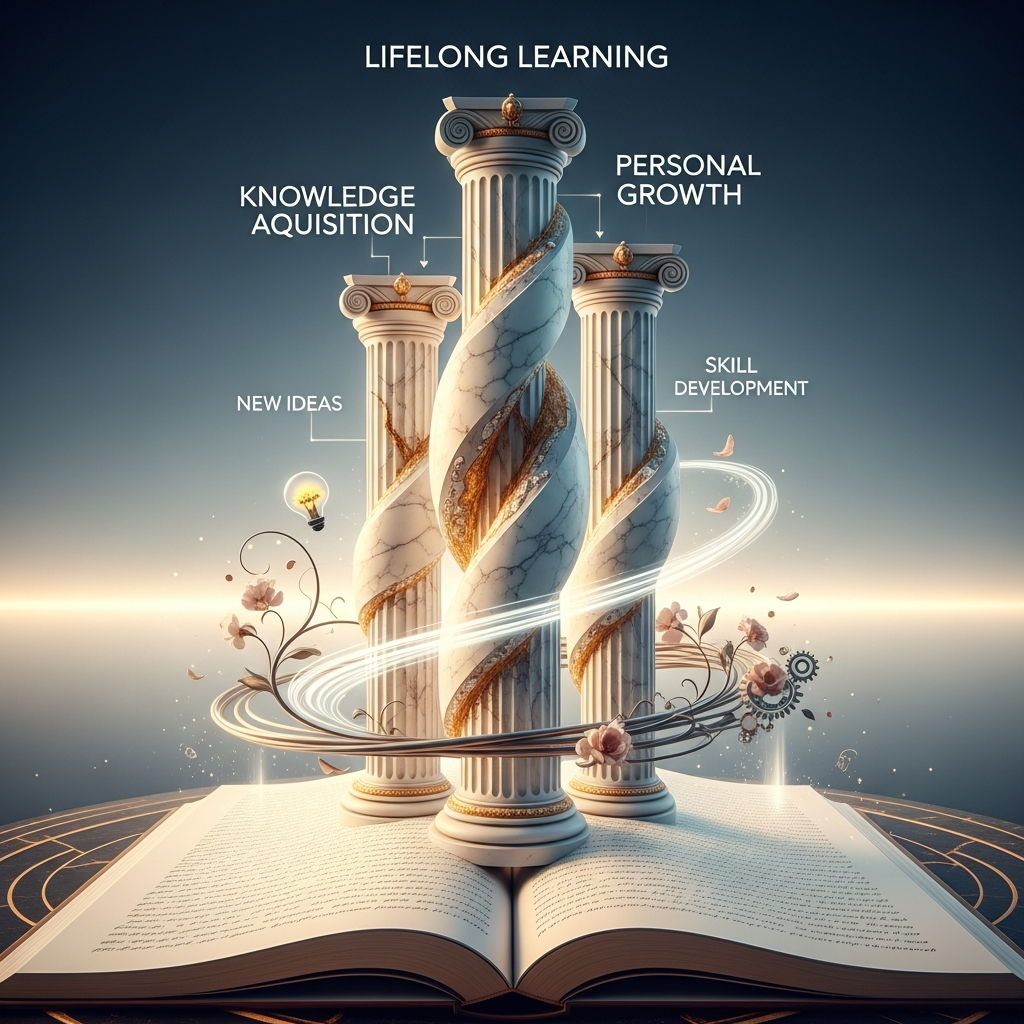 Lifelong Learning in Medical Education rests on several foundational pillars. These structures ensure that doctors, nurses, and allied health professionals continuously refine their expertise and adapt to new medical paradigms.
Formal Education and Certifications
Formal education forms the bedrock of medical training. Even after residency, practitioners frequently pursue advanced degrees or specialized certifications to deepen their knowledge in specific areas. Continuing Medical Education (CME) courses are a formal requirement in most regions, ensuring that professionals regularly update their skills. These structured programs provide rigorous, evidence-based updates on clinical guidelines, emerging diseases, and novel treatment protocols. This ongoing system reinforces Lifelong Learning in Medical Education by maintaining high standards of clinical practice.
Informal Learning and Self-Study
While formal courses are necessary, informal learning plays an equally critical role. Self-study through reading peer-reviewed journals, listening to medical podcasts, and analyzing case reports allows practitioners to direct their own education. Peer-to-peer discussions, both online and in hospital corridors, offer immediate, practical insights that textbooks cannot replicate. Grand rounds remain a cornerstone of this informal process, bringing together varied specialties to discuss complex cases and share collective wisdom. These activities strongly support Lifelong Learning in Medical Education by encouraging curiosity and independent knowledge growth.
Experiential Learning and Mentorship
Knowledge gained in a classroom only solidifies through clinical application. Experiential learning occurs every day at the patient’s bedside. Every unique clinical case offers a chance to test hypotheses, observe outcomes, and refine diagnostic techniques. Mentorship heavily amplifies this process. Experienced clinicians guide newer practitioners, passing down nuanced clinical judgment and ethical reasoning that formal education often misses. Mentorship is a vital component of Lifelong Learning in Medical Education, ensuring continuous skill development through real-world practice.
Together, these three pillars create a balanced and sustainable approach to Lifelong Learning in Medical Education, helping healthcare professionals remain competent, confident, and up to date throughout their careers.
Strategies for Fostering Lifelong Learning in Medical Education
To sustain a career spanning several decades, medical professionals need actionable strategies to keep their knowledge sharp. These strategies ensure continuous improvement and help clinicians adapt to evolving healthcare systems while strengthening Lifelong Learning in Medical Education.
Cultivating a Growth Mindset
A growth mindset is the belief that abilities and intelligence can be developed through dedication and hard work. For medical students and practitioners, this means viewing clinical errors or knowledge gaps as opportunities for improvement rather than personal failures. Fostering this mindset encourages doctors to seek feedback actively and approach unfamiliar medical conditions with curiosity. It also supports Lifelong Learning in Medical Education by promoting resilience, adaptability, and a commitment to ongoing improvement.
Engaging in Continuous Professional Development
Regular participation in workshops, seminars, and Continuing Medical Education (CME) programs helps healthcare professionals stay updated with the latest research and clinical guidelines. This structured learning ensures that knowledge remains current and evidence-based, which is essential for patient safety and quality care. Continuous development strengthens Lifelong Learning in Medical Education by bridging the gap between theory and real-world practice.
Leveraging Digital Learning Platforms
Modern technology has made medical education more accessible than ever. Online courses, virtual conferences, and medical apps allow professionals to learn at their own pace and revisit complex topics whenever needed. These digital tools enhance flexibility and make it easier to integrate learning into busy clinical schedules, further supporting Lifelong Learning in Medical Education.
Practicing Reflective Learning
Reflection is a powerful tool in medical education. By regularly reviewing clinical decisions and outcomes, healthcare professionals can identify areas for improvement and refine their approach to patient care. Reflective practice encourages deeper understanding and strengthens critical thinking skills, making it a key part of Lifelong Learning in Medical Education.
Together, these strategies help build a sustainable learning culture, ensuring that healthcare professionals continue to grow, adapt, and deliver high-quality care throughout their careers.
Integrating Technology and Online Resources
 Technology has revolutionized how healthcare providers access information. Online medical databases, mobile diagnostic apps, and digital journals place vast libraries of knowledge directly into a physician’s pocket. Furthermore, artificial intelligence tools are beginning to assist in summarizing the latest research, making it easier to digest. Understanding what is clinical research and staying updated on clinical trials becomes much simpler when leveraging these advanced digital platforms.
For a broader perspective on global health trends and guidelines, professionals often consult resources from the World Health Organization, which provides comprehensive data on global disease management.
Promoting Reflective Practice
Reflective practice requires clinicians to look back on their clinical encounters, analyzing what went well and what could be improved. This critical thinking exercise turns everyday clinical interactions into powerful learning moments. By systematically evaluating their own decision-making processes, practitioners can identify personal biases, recognize knowledge gaps, and actively seek the information needed to close them.
Challenges and Barriers to Continuous Learning
While the concept of continuous education is universally supported, the reality of implementing it involves navigating significant hurdles.
Time Constraints and Demanding Schedules
The most prevalent barrier to Lifelong Learning in Medical Education is a simple lack of time. Healthcare professionals frequently work long, grueling shifts, leaving little energy for after-hours study. The physical and emotional exhaustion inherent in medical practice often forces education to take a back seat to patient care and personal recovery.
Information Overload
The sheer volume of medical research published annually is staggering. Filtering credible sources from less rigorous studies requires significant effort and methodological expertise. Practitioners often struggle to determine which new studies warrant a change in their clinical practice and which require further validation. Relying on trusted institutions like the National Institutes of Health can help professionals cut through the noise and find reliable, peer-reviewed data.
Resistance to Change
Medicine is steeped in tradition, and shifting established learning paradigms can be difficult. Some practitioners may resist adopting new technologies or altering long-standing clinical habits. Overcoming this resistance requires institutions to demonstrate the tangible benefits of new educational methods and provide adequate support during transition periods.
The Role of Institutions and Organizations
Individual effort alone cannot sustain Lifelong Learning in Medical Education. Healthcare institutions, universities, and professional organizations must actively support continuous development to ensure consistent growth in clinical competence and patient care quality.
Designing Emphasized Curricula
Medical schools and residency programs must design curricula that teach students how to learn, rather than just what to learn. By embedding self-directed learning skills early in a medical career, institutions prepare graduates to navigate future medical advancements independently. This includes teaching advanced literature appraisal and data analysis skills. Such curriculum design strengthens Lifelong Learning in Medical Education by building a foundation of independent thinking and adaptability.
Providing Accessible Learning Resources
Hospitals and clinics must provide their staff with easy access to high-quality educational resources. This means funding subscriptions to major medical journals, providing protected time for CME activities, and investing in institutional access to clinical decision support tools. When resources are readily available, the barrier to learning drops significantly, further reinforcing Lifelong Learning in Medical Education across all levels of healthcare practice.
Creating a Culture of Inquiry
Institutions thrive when they build a culture that celebrates inquiry and professional development. Leadership should encourage questions, support research initiatives, and reward staff who share new knowledge with their teams. A supportive environment transforms continuous education from a mandatory chore into a shared organizational value. This cultural shift is essential for sustaining Lifelong Learning in Medical Education in the long term.
Encouraging Collaboration and Knowledge Sharing
Beyond individual departments, institutions should promote interdisciplinary collaboration where doctors, nurses, and researchers regularly exchange insights. Case discussions, grand rounds, and joint research projects help spread knowledge more effectively. This collaborative environment enhances Lifelong Learning in Medical Education by ensuring that learning is continuous, shared, and integrated into everyday clinical practice.
Measuring the Impact of Lifelong Learning
To justify the time and resources invested in continuous education, the medical community must accurately measure its impact on both practitioners and patients. This evaluation ensures that Lifelong Learning in Medical Education translates into real improvements in clinical performance and healthcare delivery.
Metrics for Assessing Engagement
Tracking educational engagement goes beyond simply counting CME credits. Modern assessment metrics look at how frequently practitioners use clinical decision support tools, their participation rates in grand rounds, and their engagement with institutional research projects. These metrics help organizations identify which learning formats are most effective and which areas need improvement. By analyzing these indicators, institutions can better strengthen Lifelong Learning in Medical Education and ensure continuous professional growth.
Impact on Patient Outcomes
The ultimate goal of Lifelong Learning in Medical Education is improving patient care. Researchers measure this impact by looking at clinical outcomes, such as reduced hospital readmission rates, lower complication rates, and improved patient satisfaction scores. When practitioners stay current with evidence-based guidelines, the quality of care they provide naturally elevates. This direct link between education and outcomes highlights the importance of maintaining strong lifelong learning systems.
Career Advancement and Professional Development
Continuous learning directly influences career trajectory. Practitioners who actively engage in ongoing education are more likely to take on leadership roles, participate in academic research, and drive institutional policy changes. Documenting this professional growth helps organizations identify future leaders and mentors within their ranks. It also reinforces Lifelong Learning in Medical Education as a key driver of both personal and institutional success.
Long-Term Healthcare System Benefits
Beyond individual growth, lifelong learning contributes to stronger healthcare systems overall. It improves efficiency, reduces medical errors, and encourages innovation in treatment approaches. Over time, these improvements create a more resilient and adaptive healthcare environment, further emphasizing the critical role of Lifelong Learning in Medical Education.
Embracing the Future of Professional Development
 The practice of medicine requires an unwavering commitment to professional evolution. Lifelong Learning in Medical Education is not merely a regulatory requirement; it is a professional obligation to the patients who trust clinicians with their lives. As new diseases emerge and technological innovations redefine clinical practice, the ability to adapt and learn remains a physician’s most valuable asset.
The future outlook for continuous professional development is highly promising, heavily driven by digital integration and personalized learning pathways. Medical professionals, healthcare institutions, and educational bodies must work collaboratively to eliminate barriers and build resilient systems that support continuous inquiry. By prioritizing ongoing education, the medical community ensures it remains fully equipped to tackle the complex health challenges of tomorrow.
In the coming years, artificial intelligence, simulation-based training, and data-driven learning platforms will further transform Lifelong Learning in Medical Education. These innovations will allow clinicians to access real-time knowledge updates, practice complex procedures in virtual environments, and personalize their learning journeys based on individual strengths and gaps. This shift will make continuous education more efficient, engaging, and outcome-focused.
Ultimately, embracing Lifelong Learning in Medical Education empowers healthcare professionals to deliver safer, more effective, and more compassionate care. It strengthens clinical decision-making, supports innovation, and ensures that medical practice evolves in step with scientific progress. By fully integrating lifelong learning into everyday clinical culture, the healthcare system becomes more adaptive, resilient, and better prepared for future challenges.
Conclusion
Lifelong Learning in Medical Education is essential for ensuring that healthcare professionals remain competent, adaptable, and informed throughout their careers. As medical science continues to evolve, continuous learning supports better clinical decisions, improved patient outcomes, and stronger healthcare systems. By embracing ongoing education, collaboration, and technological advancements, the medical community can deliver safer, more effective, and future-ready care.
1. What is Lifelong Learning in Medical Education?
Lifelong Learning in Medical Education refers to the continuous process of updating medical knowledge and skills.
It helps healthcare professionals stay current with new research and treatments.
It is essential for maintaining high-quality patient care.
2. Why is lifelong learning important for doctors?
It ensures doctors remain updated with evolving medical science.
It improves clinical decision-making and patient outcomes.
It is a key requirement in modern healthcare practice.
3. What are common methods of lifelong learning in medicine?
Methods include CME courses, workshops, journals, and online learning.
Doctors also learn through clinical experience and mentorship.
Digital platforms are increasingly important for learning.
4. What is CME in medical education?
CME stands for Continuing Medical Education.
It includes structured programs to update clinical knowledge and skills.
It is often required for maintaining medical licenses.
5. How does technology support lifelong learning?
Technology provides access to online courses, medical apps, and virtual training.
It allows real-time updates on medical research.
It makes learning more flexible and accessible.
6. What role do institutions play in lifelong learning?
Institutions provide resources, training programs, and learning opportunities.
They support research and professional development.
They help create a culture of continuous education.
7. How does lifelong learning improve patient care?
It helps doctors apply the latest evidence-based treatments.
It reduces medical errors and improves diagnosis accuracy.
It leads to better patient outcomes and satisfaction.
8. What is experiential learning in medicine?
Experiential learning happens through real clinical practice.
Doctors learn from patient cases and real-world experience.
It strengthens practical and decision-making skills.
9. What challenges exist in lifelong learning?
Challenges include time constraints, workload, and information overload.
Access to quality resources can also be limited.
Institutions must help reduce these barriers.
10. How will lifelong learning evolve in the future?
It will become more digital and personalized.
AI and virtual training will play a major role.
It will make medical education more efficient and continuous.