



Common diseases and symptoms refer to frequently occurring health conditions and the warning signs associated with them. Understanding symptoms early helps individuals seek timely medical care, improve treatment outcomes, and maintain better overall health through prevention, diagnosis, and proper disease management.
Common diseases and symptoms affect millions of people worldwide, ranging from temporary infections to long-term chronic illnesses. Conditions such as the flu, hypertension, asthma, arthritis, heart disease, and Type 2 diabetes often begin with subtle warning signs that many people ignore. Recognizing these symptoms early can make a significant difference in treatment success and overall health outcomes. Symptoms like persistent fatigue, chronic cough, unexplained weight changes, headaches, fever, chest pain, digestive discomfort, or elevated blood pressure may indicate underlying medical conditions that require professional attention.

The human respiratory system is constantly exposed to environmental pathogens, allergens, and pollutants, making it highly susceptible to various disorders.
How do you identify and treat the common cold and flu?
The common cold and the influenza virus represent the most frequent respiratory infections globally. Both are viral infections, but they present with different intensity levels. Symptoms of a cold generally include a runny nose, mild sore throat, and a low-grade fever. The flu typically strikes abruptly, bringing severe body aches, high fevers, chills, and profound fatigue.
According to the Centers for Disease Control and Prevention (CDC), the best prevention for influenza is the annual flu vaccine, coupled with frequent handwashing. Treatment for both conditions focuses heavily on symptom management. Choose over-the-counter pain relievers and hydration if you are managing a mild viral infection at home. However, antiviral medications prescribed by a doctor may be necessary if you catch the flu early and have a high risk for severe complications.
What are the triggers and symptoms of asthma?
Asthma is a chronic inflammatory disease of the airways that causes episodes of wheezing, breathlessness, chest tightness, and coughing. The exact cause of asthma remains complex, involving both genetic predisposition and environmental exposure. Common triggers include pollen, dust mites, cold air, physical exercise, and respiratory infections.
Living with asthma requires strict adherence to a management plan. Patients typically use inhaled corticosteroids to reduce daily airway inflammation and keep rescue inhalers (like albuterol) on hand for sudden asthma attacks. Identifying your specific environmental triggers and monitoring your lung function daily are critical steps for maintaining a high quality of life with this condition.
How is pneumonia diagnosed and treated?
Pneumonia is an infection that inflames the air sacs in one or both lungs, causing them to fill with fluid or pus. The infection can be viral, bacterial, or fungal. Symptoms often mirror a severe flu, featuring a cough with phlegm, fever, chills, and difficulty breathing.
Diagnosis usually involves a physical exam, listening to lung sounds, and a chest X-ray to confirm the presence of fluid. Treatment depends entirely on the infection source. Choose antibiotic therapy if a medical professional confirms bacterial pneumonia, whereas viral pneumonia requires rest, hydration, and sometimes antiviral medications.
How do cardiovascular diseases affect your body?
Cardiovascular diseases remain the leading cause of mortality worldwide. These conditions affect the heart and blood vessels, severely impacting how oxygen and nutrients travel through the body.
Why is hypertension considered a silent killer?
Hypertension, or high blood pressure, earns the title “silent killer” because it rarely displays obvious symptoms until it has caused significant damage to the heart and arteries. When blood pushes too forcefully against artery walls, it creates micro-tears that attract plaque buildup.
Managing hypertension requires aggressive lifestyle modifications. Reducing sodium intake, exercising regularly, and maintaining a healthy weight significantly lower blood pressure. When lifestyle changes fall short, physicians prescribe medications such as ACE inhibitors or beta-blockers to protect the cardiovascular system from long-term damage.
What are the causes and symptoms of coronary artery disease?
Coronary Artery Disease (CAD) occurs when the major blood vessels supplying the heart struggle to send enough blood, oxygen, and nutrients to the heart muscle. Cholesterol deposits (plaque) in the arteries are usually the primary culprit. Symptoms of CAD include angina (chest pain), shortness of breath, and fatigue, particularly during physical exertion.
Physicians diagnose CAD using electrocardiograms (ECGs), stress tests, and coronary angiograms. Treatment options range from cholesterol-lowering medications (statins) to surgical interventions like angioplasty or coronary artery bypass grafting for severe blockages.
How can you recognize the signs of a stroke fast?
A stroke constitutes a medical emergency that occurs when the blood supply to part of the brain is interrupted or reduced. Recognizing a stroke quickly saves lives and preserves brain function. The medical community uses the FAST acronym for rapid identification:
- Face: Does one side of the face droop?
- Arm: Does one arm drift downward when raised?
- Speech: Is speech slurred or strange?
- Time: If you observe any of these signs, call emergency services immediately.
Stroke prevention involves managing underlying risk factors like hypertension, diabetes, and high cholesterol. Recovery often requires extensive physical, occupational, and speech therapy to regain lost physical functions.
What are the primary metabolic and endocrine disorders?
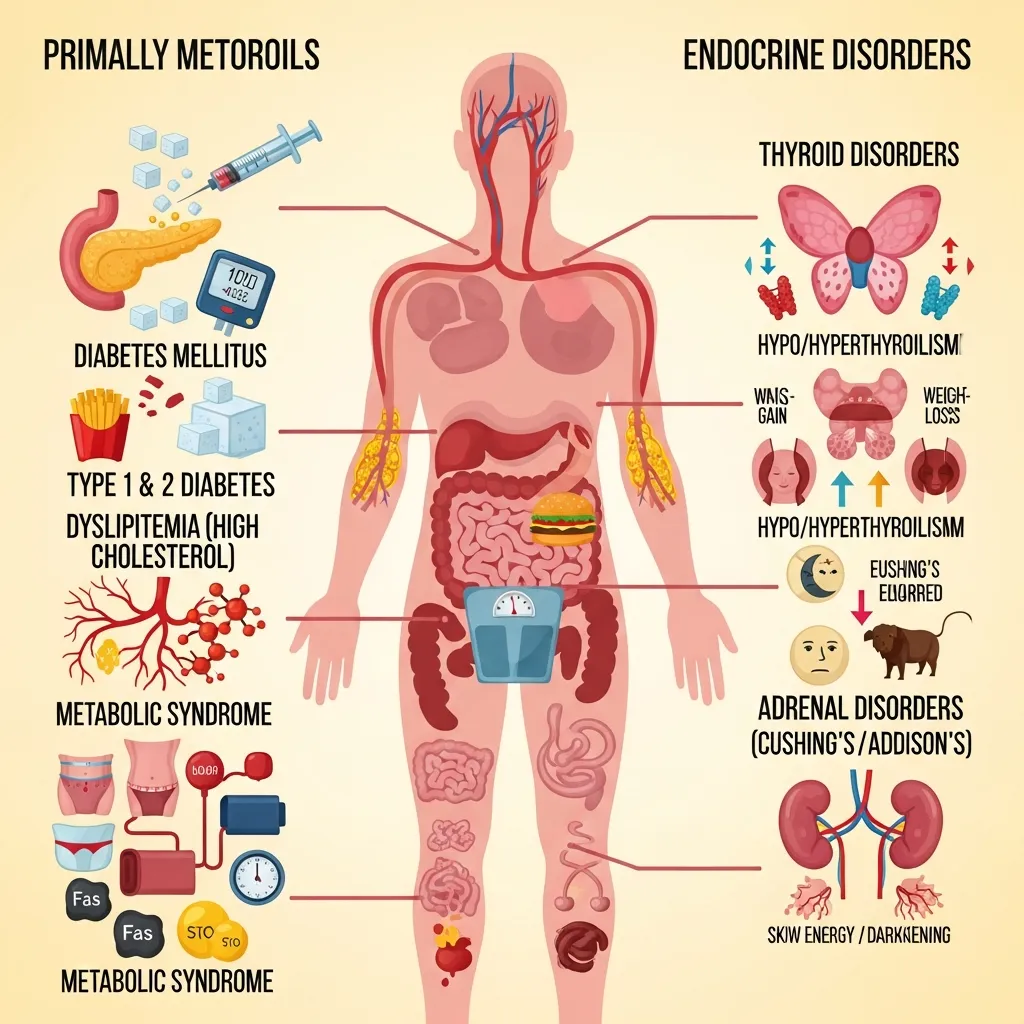 The endocrine system controls hormones that regulate metabolism, growth, and development. When this system malfunctions, it triggers widespread physical issues.
What is the difference between Type 1 and Type 2 diabetes?
Diabetes mellitus is a metabolic disease that causes high blood sugar. Understanding the causes of diabetes requires differentiating between its two primary forms. Type 1 diabetes is an autoimmune condition where the body attacks its own pancreas, halting insulin production completely. Patients with Type 1 require daily insulin therapy to survive.
Type 2 diabetes, conversely, involves insulin resistance, where the body produces insulin but cannot use it effectively. Identifying diabetes symptoms early stage—such as unquenchable thirst, frequent urination, and unexplained weight loss—is vital for preventing nerve damage and cardiovascular complications. Type 2 management heavily relies on dietary adjustments, weight loss, oral medications, and sometimes supplemental insulin.
How do thyroid disorders impact your metabolism?
The thyroid gland regulates the body’s metabolic rate. Hypothyroidism occurs when the gland underproduces thyroid hormones, leading to fatigue, weight gain, cold intolerance, and depression. Hyperthyroidism happens when the gland overproduces hormones, causing rapid weight loss, an irregular heartbeat, sweating, and anxiety.
Doctors diagnose these disorders through a simple blood test measuring Thyroid Stimulating Hormone (TSH). Treatment involves hormone replacement therapy for hypothyroidism and anti-thyroid medications or radioactive iodine for hyperthyroidism.
What are the most frequent gastrointestinal issues?
Digestive health dictates how well your body absorbs necessary nutrients. Gastrointestinal (GI) issues are widespread and heavily influenced by diet and stress.
How do you manage irritable bowel syndrome (IBS)?
Irritable Bowel Syndrome (IBS) is a common disorder affecting the large intestine. Symptoms include cramping, abdominal pain, bloating, gas, diarrhea, and constipation. IBS does not cause changes in bowel tissue or increase the risk of colorectal cancer, but it severely impacts daily life.
Management focuses on identifying and avoiding personal dietary triggers. Choose the low-FODMAP diet if you need a structured method to eliminate fermentable carbohydrates that trigger intestinal distress. Stress management and probiotic supplements also provide significant symptom relief for many patients.
What causes acid reflux and how can you prevent it?
Gastroesophageal Reflux Disease (GERD), commonly known as acid reflux, occurs when stomach acid frequently flows back into the tube connecting your mouth and stomach (esophagus). This backwash irritates the lining of your esophagus, causing a burning sensation in the chest.
Common triggers include eating large meals, lying down immediately after eating, and consuming acidic or spicy foods. You can prevent GERD by maintaining a healthy weight, eating smaller meals, and elevating the head of your bed. Over-the-counter antacids neutralize stomach acid, while prescription medications can heal the esophagus.
What is the difference between viral and bacterial infections?
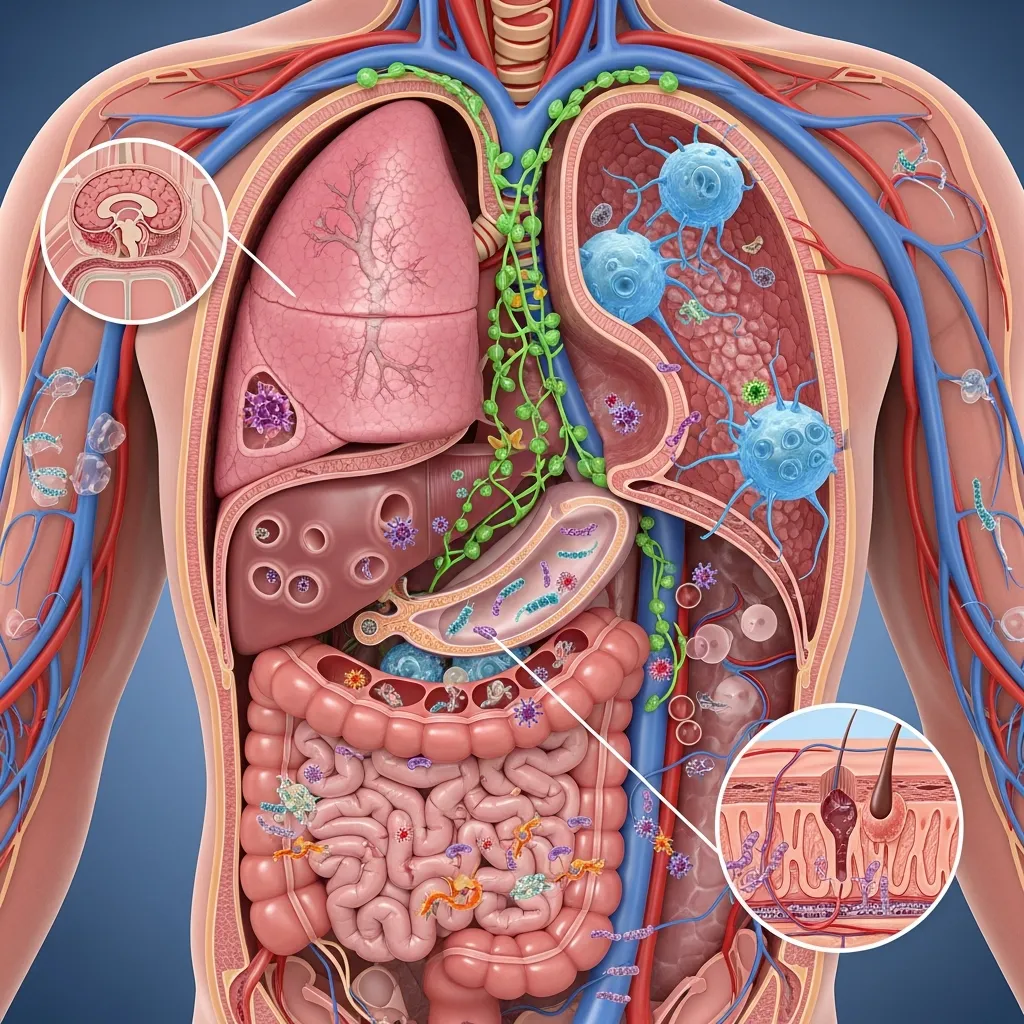
Understanding the distinction between viral and bacterial infections dictates proper medical treatment. Bacteria are single-celled organisms that can survive in diverse environments. Illnesses like strep throat and urinary tract infections are bacterial and respond to antibiotics.
Viruses are smaller and require a living host to multiply. Diseases like COVID-19, the flu, and the common cold are viral. According to the World Health Organization (WHO), antibiotics are entirely ineffective against viral infections, and using them inappropriately contributes to the global crisis of antibiotic resistance.
Why are vaccinations and hygiene critical for prevention?
Vaccinations prepare your immune system to fight specific infections before they take hold in your body. Regular handwashing, proper food preparation, and practicing safe sex remain the most effective behavioral strategies to prevent the spread of infectious diseases across populations.
Why is early detection critical for disease prevention?
Catching common diseases and symptoms in their infancy drastically improves treatment outcomes and survival rates.
How often should you get regular check-ups and screenings?
Annual physical exams allow healthcare providers to monitor your baseline health metrics. Age- and gender-specific screenings, such as mammograms, colonoscopies, and prostate exams, detect cancers long before physical symptoms appear. Utilizing a proper medical diagnosis guide helps physicians track these vital health metrics over time.
Which healthy lifestyle choices have the biggest impact?
Proactive health management requires daily commitment. Eating a balanced diet rich in whole foods, getting at least 150 minutes of moderate aerobic exercise weekly, and prioritizing 7–9 hours of sleep nightly help reduce the risk of chronic diseases, cardiovascular disease, and other common medical conditions.
When should you seek immediate medical attention?
Never ignore severe or sudden disease symptoms. Unexplained chest pain, sudden difficulty breathing, sudden weakness on one side of the body, or the worst headache of your life require immediate emergency medical attention and early diagnosis.
Final steps for proactive health management
Understanding common diseases and symptoms allows you to actively participate in your healthcare journey. By recognizing early warning signs, understanding acute and chronic medical conditions, and adopting preventive lifestyle habits, you can support better health awareness, preventive healthcare, and long-term wellness.
