


Close Menu

    Subscribe to Updates

    Get the latest creative news from FooBar about art, design and business.

    What's Hot

    Your Complete Guide to Common Diseases and Symptoms

    May 20, 2026

    Revolutionizing Training: Innovative Medical Education Strategies for Clinicians

    May 19, 2026

    The Complete Medical Diagnosis Guide for Better Patient Care

    May 19, 2026
    Facebook X (Twitter) Instagram
    My BlogMy Blog
    Facebook X (Twitter) Instagram
    • Homepage
    • About us
    • Contact us
    My BlogMy Blog
    Home»Medical Education»Spotting Diabetes Symptoms Early Stage
    Medical Education

    Spotting Diabetes Symptoms Early Stage

    adminBy adminApril 27, 2026Updated:April 27, 2026No Comments12 Mins Read
    Facebook Twitter Pinterest LinkedIn Tumblr Reddit WhatsApp Email
    diabetes symptoms early stage
    Share
    Facebook Twitter LinkedIn Pinterest WhatsApp Email

    Diabetes Symptoms Early Stage often develop slowly and may include excessive thirst, frequent urination, fatigue, and blurred vision. Recognizing these early warning signs is important for timely diagnosis, blood sugar control, and preventing long-term health complications through proper lifestyle changes and treatment.

    Understanding Diabetes and Its Early Warning Signs

    Diabetes is a chronic health condition that changes how your body turns food into energy. Most of the food you eat breaks down into sugar, also called glucose, and releases into your bloodstream. When your blood sugar goes up, it signals your pancreas to release insulin. Insulin acts like a key to let the blood sugar into your body’s cells for use as energy. If you have diabetes, your body either doesn’t make enough insulin or cannot use the insulin it makes as well as it should.

    Catching this condition early makes a massive difference in your long-term health. When there is not enough insulin or cells stop responding to insulin, too much blood sugar stays in your bloodstream. Over time, that can cause serious health problems, such as heart disease, vision loss, and kidney disease. Identifying the warning signs quickly allows you to seek medical advice, make lifestyle changes, and start treatment before these complications develop.

    There are three main types of diabetes: Type 1, Type 2, and gestational diabetes. Type 1 is generally diagnosed in children and young adults, and it occurs when the body stops making insulin entirely. Type 2 is the most common form, developing mainly in adults, and happens when the body does not use insulin properly. Gestational diabetes develops in pregnant women who have never had diabetes. While the underlying causes differ, the diabetes symptoms early stage warning signs are often very similar across the board.
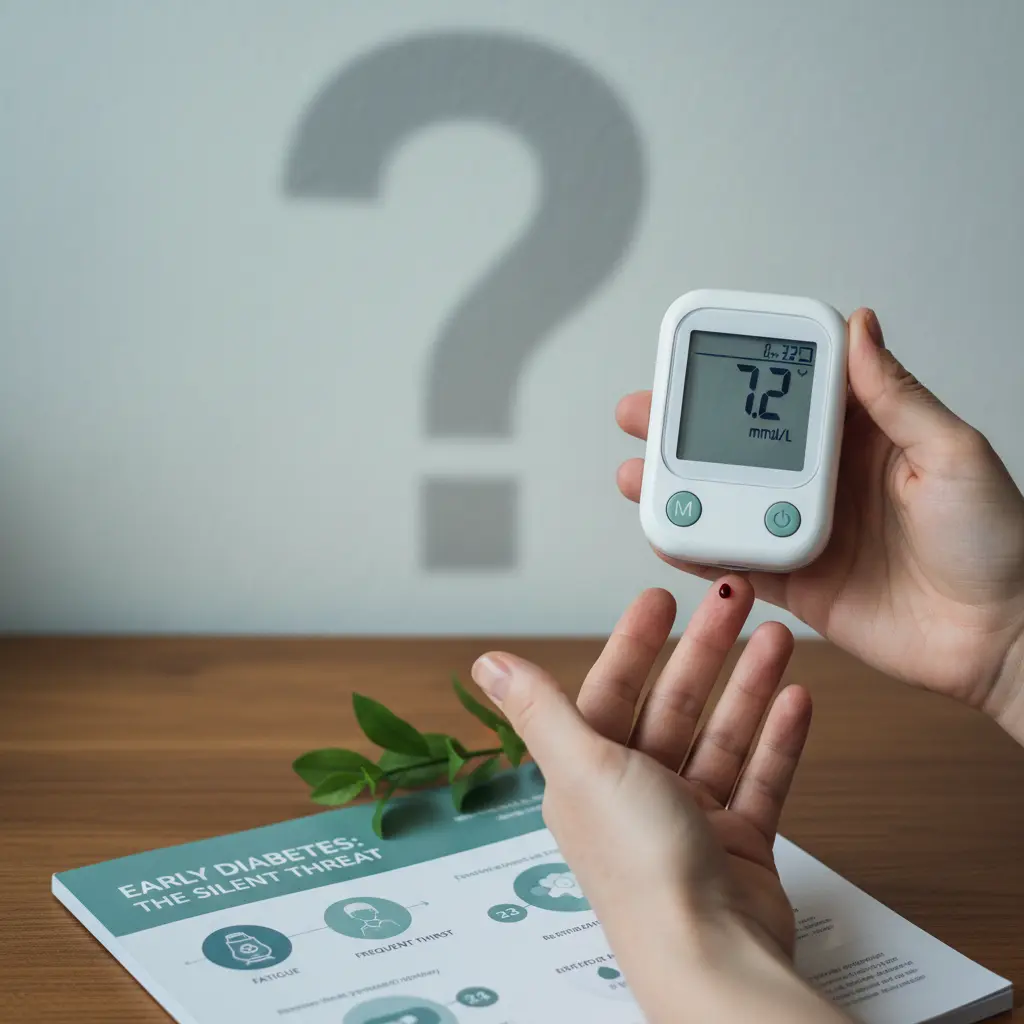
    Early Diabetes: The Silent Threat and Hidden Warning Signs

    Early diabetes warning signs often go unnoticedThe early stages of diabetes can be incredibly deceptive. Many people walk around with high blood sugar for months or even years without realizing it. The signs are often so mild and non-specific that they are easily brushed off as normal parts of a busy life, which is why understanding diabetes symptoms early stage is so important for early detection.

    You might think you are just tired from working too many hours, or you assume you are thirsty because the weather is warm. Because these symptoms do not usually cause acute pain or sudden illness, they fly under the radar. People often mistake them for signs of aging, stress, or minor temporary ailments, delaying proper diagnosis and treatment.

    Type 2 diabetes, in particular, develops very progressively. It starts with insulin resistance, where your cells slowly become less responsive to insulin. Your pancreas pumps out more insulin to compensate, keeping blood sugar levels normal for a while. Eventually, the pancreas cannot keep up, and blood sugar levels begin to rise. Because this process happens gradually, the body slowly adapts to the higher sugar levels, making the onset of symptoms incredibly subtle and easy to miss.

    This is why recognizing diabetes symptoms early stage—such as increased thirst, frequent urination, fatigue, and blurred vision—is crucial. Early awareness allows individuals to take timely action through lifestyle changes, medical consultation, and proper blood sugar management before serious complications develop.

    Recognizing the Common Early Symptoms of Diabetes

    Understanding what happens in your body helps make sense of the warning signs. Here is a detailed look at the most common early indicators that your blood sugar levels might be too high.

    Increased Thirst and Frequent Urination

    Excess glucose in your blood acts like a sponge. Your kidneys are forced to work overtime to filter and absorb the extra sugar. When your kidneys cannot keep up, the excess sugar gets excreted into your urine, dragging fluids from your tissues along with it.

    This process triggers more frequent urination, which may leave you dehydrated. As you lose more fluids, your body demands more water, leading to intense and unquenchable thirst. If you find yourself waking up multiple times a night to use the bathroom, or drinking liters of water without feeling satisfied, this could be a major warning sign.

    Unexplained Weight Loss

    Weight loss without trying is a classic symptom of diabetes, especially Type 1. Because your body cannot use the glucose in your blood for energy, it starts looking for alternative energy sources. It begins breaking down muscle and fat rapidly to fuel your cells.

    In Type 2 diabetes, unexplained weight loss can also occur due to insulin resistance, though it is slightly less common initially. The key here is the word “unexplained.” If you are eating normally or even more than usual but still shedding pounds rapidly, your body might be struggling to process glucose correctly.

    Constant Hunger Even After Eating

    Also known as polyphagia, this intense hunger happens because your muscles and organs are essentially starved of energy. Even if you just ate a large meal, the glucose from that food stays trapped in your bloodstream because insulin is either missing or ineffective.

    Since the glucose cannot enter your cells, your body believes it is starving. It sends urgent signals to your brain to eat more food. This creates a frustrating cycle where eating more fails to satisfy your hunger and simply drives your blood sugar levels even higher.

    Deep Fatigue and Lack of Energy

    Feeling tired is a common human experience, but the fatigue associated with early diabetes is different. It is a profound, heavy exhaustion that does not improve with a good night’s sleep.

    This lack of energy stems directly from your cells being starved of glucose. Your body is working incredibly hard to manage the excess sugar in your blood, which drains your energy reserves. If you feel constantly drained, struggle to get out of bed, and find daily tasks exhausting, it is worth paying attention to your blood sugar.

    Temporary Blurred Vision

    High blood sugar levels can actually pull fluid from your tissues, including the lenses of your eyes. This fluid shift affects your ability to focus, causing temporary blurry vision.

    You might notice that your vision changes throughout the day, or that it is difficult to read smaller text. The good news is that this specific symptom is often entirely reversible once your blood sugar levels return to a normal, healthy range.

    Slow-Healing Sores and Frequent Infections

    Chronically high blood sugar impairs your body’s natural healing processes. It damages your blood vessels, which restricts blood flow and makes it difficult for nutrients and oxygen to reach wounds. It also weakens your immune system, making it harder for white blood cells to fight off bacteria.

    Because of this, small cuts, blisters, and bruises might take weeks to heal. You might also experience more frequent infections. Yeast infections, urinary tract infections, and gum infections are particularly common when blood sugar levels remain elevated.

    Tingling or Numbness in Hands or Feet

    High blood sugar can cause early nerve damage, known medically as diabetic neuropathy. The first signs of this damage often appear as a mild tingling, burning sensation, or numbness in the extremities, starting with the toes and fingers.

    Initially, this sensation might be subtle, coming and going throughout the week. Over time, if blood sugar remains uncontrolled, this nerve damage can become permanent and lead to severe pain or a complete loss of feeling.

    Dry Mouth and Itchy Skin

    Dehydration from frequent urination heavily impacts your skin and mouth. As your body loses fluids, you might experience a severely dry mouth, making it uncomfortable to swallow or speak.

    Similarly, poor circulation and fluid loss leave your skin dry, flaky, and intensely itchy. This itchiness is often most noticeable on the lower legs, feet, and hands.

    Key Risk Factors for Developing the Condition
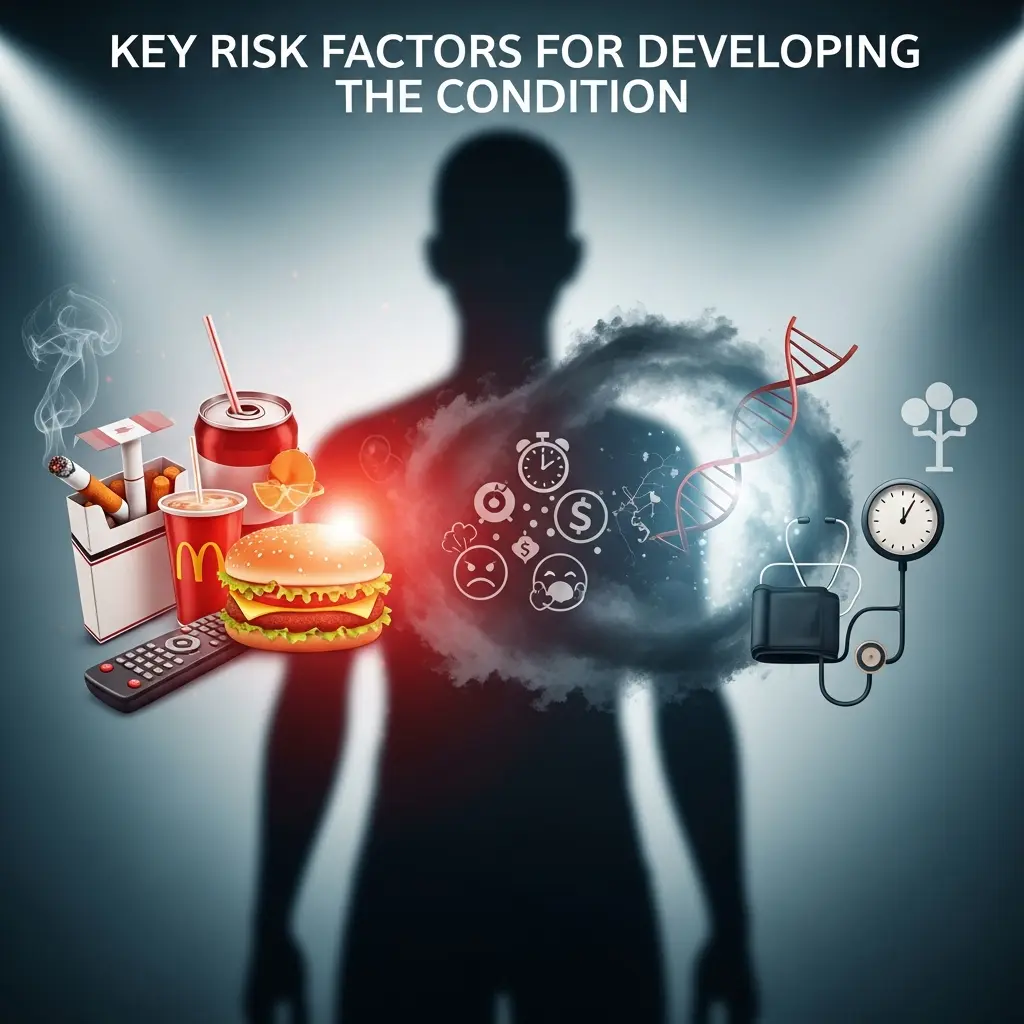
    Diabetes risk factorsWhile anyone can develop diabetes, certain factors significantly increase your risk. Understanding these can help you stay vigilant about early symptoms.

    A strong genetic predisposition plays a massive role. Having a parent or sibling with diabetes increases your likelihood of developing it. Lifestyle factors are also critical drivers. Obesity, physical inactivity, and a diet high in processed foods and refined sugars create a perfect storm for insulin resistance.

    Age is another factor; the risk for Type 2 diabetes naturally increases as you get older, particularly after age 45. Ethnicity also matters, as African Americans, Hispanic/Latino Americans, American Indians, and Asian Americans face a higher risk.

    Other medical conditions contribute as well. Having high blood pressure, abnormal cholesterol levels, or Polycystic Ovary Syndrome (PCOS) links closely to insulin resistance. Finally, women who developed gestational diabetes during a past pregnancy have a much higher chance of developing Type 2 diabetes later in life.

    When It Is Time to See a Doctor

    Self-diagnosing based on a quick internet search is never a good idea. Many early symptoms of diabetes overlap with other health conditions, from thyroid issues to simple dehydration.

    You should seek medical attention if you experience multiple early symptoms at once, or if any single symptom is severe enough to disrupt your daily life. Regular screenings are especially important for individuals with risk factors, and recognizing diabetes symptoms early stage can help prevent serious complications before they develop. A simple blood test at your doctor’s office can provide definitive answers and peace of mind.

    How Doctors Test for Diabetes

    If your doctor suspects diabetes, they will order specific blood tests to measure blood sugar levels accurately.

    The most common tests include:

    • Fasting Plasma Glucose (FPG)
    • Oral Glucose Tolerance Test (OGTT)
    • HbA1c Test
    • Random Plasma Glucose Test

    These tests help confirm how your body is processing sugar and whether blood glucose levels are in a healthy range.

    Blood Sugar Tests and Diagnosis Criteria

    Test Name What It Measures Diabetes Indicator
    Fasting Plasma Glucose (FPG) Blood sugar after 8+ hours fasting 126 mg/dL or higher
    Oral Glucose Tolerance Test (OGTT) Sugar processing after glucose drink 200 mg/dL or higher (2 hours)
    HbA1c Test Average blood sugar (2–3 months) 6.5% or higher
    Random Plasma Glucose Test Any time blood sugar level 200 mg/dL or higher with symptoms

    When to Take Action (Key Points)

    • If multiple diabetes symptoms appear together, do not ignore them
    • Seek medical help if fatigue, thirst, or urination becomes persistent
    • People with risk factors should do regular blood sugar screening
    • Early testing is crucial when noticing diabetes symptoms early stage
    • Timely diagnosis helps reduce long-term complications

    Importance of Early Detection

    Importance of Early DetectionIncluding awareness of diabetes symptoms early stage in daily health checks can make a major difference. Early diagnosis allows better control of blood sugar levels and reduces the risk of complications affecting the heart, kidneys, nerves, and eyes.

    When diabetes is detected early, patients have a much higher chance of managing the condition effectively through simple lifestyle changes such as improved diet, regular exercise, and weight control. In many cases, medication can also be started at the right time to stabilize blood glucose before it causes long-term damage.

    Early detection also helps prevent silent progression of the disease, where symptoms remain unnoticed for years. By paying attention to diabetes symptoms early stage, individuals can avoid severe complications like vision loss, kidney failure, and cardiovascular disease. Regular health screenings and awareness play a key role in maintaining long-term wellness and quality of life.

    FAQ

    1. What are early stage diabetes symptoms?

    Early stage diabetes symptoms may include frequent urination, increased thirst, fatigue, blurred vision, and slow healing of wounds.

    2. Why are early diabetes symptoms often missed?

    They are mild and develop slowly, so people often mistake them for stress, aging, or tiredness.

    3. Can diabetes develop without clear symptoms?

    Yes, especially Type 2 diabetes can develop silently for months or even years before noticeable signs appear.

    4. What causes diabetes in most cases?

    It is mainly caused by insulin resistance, poor lifestyle habits, gen-tics, and unhealthy diet patterns.

    5. How is early diabetes diagnosed?

    Doctors use blood tests such as fasting blood sugar, HbA1c, and glucose tolerance tests.

    6. Is early stage diabetes reversible?

    In some cases, Type 2 diabetes can be managed or reversed with lifestyle changes like diet, exercise, and weight control.

    7. Who is at higher risk of diabetes?

    People with obesity, family history, poor diet, inactivity, or high stress levels are at higher risk.

    8. What happens if early diabetes is not treated?

    It can lead to serious complications like heart disease, kidney damage, nerve problems, and vision loss.

    9. Can children get diabetes?

    Yes, children can develop Type 1 diabetes, and increasing cases of Type 2 diabetes are also being seen in youth.

    10. How can I prevent diabetes?

    You can reduce risk by maintaining a healthy diet, exercising regularly, avoiding excess sugar, and getting routine health checkups.

    Conclusion

    Getting a diabetes diagnosis can feel overwhelming, but discovering it early is incredibly powerful. Early diagnosis and management are the keys to preventing or significantly delaying serious long-term complications.

    By taking action early, you protect your heart, kidneys, nerves, and vision. You also immediately improve your quality of life. Managing your blood sugar effectively eliminates the exhausting fatigue, constant thirst, and frequent bathroom trips.

    Management often begins with straightforward lifestyle changes. Adopting a balanced diet rich in whole foods, getting regular physical exercise, and losing a modest amount of weight can dramatically improve how your body uses insulin. In many cases, doctors will also prescribe medication to help keep blood sugar levels in a safe range. Understanding your body and acting swiftly on the early warning signs gives you the power to live a long, healthy, and vibrant life.

    Diabetes Symptoms Early Stage
    admin
    • Website

    Related Posts

    Your Complete Guide to Common Diseases and Symptoms

    May 20, 2026

    Revolutionizing Training: Innovative Medical Education Strategies for Clinicians

    May 19, 2026

    The Complete Medical Diagnosis Guide for Better Patient Care

    May 19, 2026
    Leave A Reply Cancel Reply

    Our Picks

    Your Complete Guide to Common Diseases and Symptoms

    May 20, 2026

    Revolutionizing Training: Innovative Medical Education Strategies for Clinicians

    May 19, 2026

    The Complete Medical Diagnosis Guide for Better Patient Care

    May 19, 2026

    How Medical Education Technology is Transforming Training

    May 18, 2026
    Stay In Touch
    • Facebook
    • Twitter
    • Pinterest
    • Instagram
    • YouTube
    • Vimeo
    Facebook X (Twitter) Instagram Pinterest
    • About us
    • Contact us
    • Privacy Policy
    • Terms and Conditions
    © 2026 Theclinicalchannel. All Rights Reserved.

    Type above and press Enter to search. Press Esc to cancel.