



Causes of diabetes include genetics, obesity, poor diet, inactivity, and insulin problems. Understanding risk factors helps with prevention, early diagnosis, and better blood sugar control. Both type 1 and type 2 diabetes have different causes and management needs.
Understanding Type 1 Diabetes
Type 1 diabetes is usually diagnosed in children, teenagers, and young adults, although it can develop at any age. When discussing the Causes of Diabetes, Type 1 diabetes is different from other forms because it is not mainly caused by weight gain, poor diet, or inactivity. Instead, it is primarily linked to immune system dysfunction and genetic risk factors.
Autoimmune Response as a Major Cause of Diabetes
One of the main Causes of Diabetes in Type 1 cases is an autoimmune reaction. For reasons that are still being studied, the body’s immune system mistakenly attacks and destroys the insulin-producing beta cells in the pancreas. As these cells are damaged, the pancreas loses its ability to make insulin.
Without insulin, glucose cannot properly enter the body’s cells for energy, causing blood sugar levels to rise. Once most beta cells are destroyed, people with Type 1 diabetes need daily insulin treatment to survive and maintain healthy glucose levels.
Genetic Predisposition and Causes of Diabetes
Genetics play an important role in the Causes of Diabetes related to Type 1 diabetes. If a parent, brother, or sister has this condition, the chance of developing it may be higher than average. Scientists have identified several genes connected to immune regulation that may increase risk.
However, inheriting these genes does not guarantee that someone will develop Type 1 diabetes. It usually means a person has a higher susceptibility when combined with other triggers.
Environmental Factors and Causes of Diabetes
Because many people with genetic risk never develop the condition, researchers believe environmental triggers are also involved in the Causes of Diabetes. Certain viral infections may activate the immune system in a harmful way, leading it to attack pancreatic cells.
Other possible triggers being studied include early-life exposures, gut microbiome changes, and vitamin deficiencies. While no single environmental cause has been confirmed for every case, these factors may help explain why Type 1 diabetes develops in some people but not others.
Why Early Awareness Matters
Understanding the Causes of Diabetes, especially Type 1 diabetes, can help families recognize symptoms early. Warning signs often include excessive thirst, frequent urination, sudden weight loss, fatigue, and blurred vision. Early diagnosis and prompt insulin treatment are essential for preventing serious complications.
Exploring Type 2 Diabetes
 Type 2 diabetes is the most common form of diabetes and accounts for the majority of diagnosed cases worldwide. It often develops in adults over age 45, but it is now increasingly seen in children, teenagers, and young adults. When discussing the Causes of Diabetes, Type 2 diabetes is strongly linked to a combination of lifestyle habits, body weight, age, and genetic background.
Insulin Resistance: A Leading Cause of Diabetes
Type 2 diabetes usually begins with insulin resistance. In this condition, the body’s cells in muscles, fat tissue, and the liver do not respond properly to insulin. Since insulin helps glucose move from the blood into the cells, resistance causes sugar to remain in the bloodstream.
To compensate, the pancreas produces more insulin. In the early stages, it may keep up with this increased demand. Over time, the pancreas becomes less effective and cannot produce enough insulin, causing blood sugar levels to rise. This process is one of the most common Causes of Diabetes worldwide.
Lifestyle Factors and Causes of Diabetes
Daily habits play a major role in the development of Type 2 diabetes. A diet high in processed foods, sugary drinks, refined carbohydrates, and unhealthy fats can place stress on the body’s metabolic system. Poor sleep habits and chronic stress may also contribute to insulin resistance.
Physical inactivity is another major factor. Regular exercise helps the body use insulin more efficiently, improves blood sugar control, and supports healthy weight management. A sedentary lifestyle increases the risk of developing Type 2 diabetes significantly.
Obesity and Weight Gain
Excess body weight, especially around the abdomen, is closely connected to insulin resistance. Fat tissue can release inflammatory substances and hormones that reduce the body’s sensitivity to insulin.
This is why obesity is considered one of the strongest Causes of Diabetes related to Type 2 diabetes. Even moderate weight loss can improve insulin function and lower future risk.
Genetic Factors in Type 2 Diabetes
Like Type 1 diabetes, Type 2 diabetes also has a strong hereditary component. If parents, siblings, or close relatives have the condition, your chances of developing it may be higher.
Genetics may influence how the body handles insulin, stores fat, and regulates blood sugar. However, genes often work together with lifestyle choices, meaning healthy habits can still reduce risk even with family history.
Age and Ethnicity
As people grow older, metabolism naturally slows, muscle mass may decrease, and body fat may increase. These changes can make insulin resistance more likely and raise the risk of Type 2 diabetes.
Certain ethnic groups also have higher rates of diabetes, including African Americans, Hispanic/Latino populations, Native Americans, Pacific Islanders, and some Asian communities. Both genetic and environmental factors may contribute to these differences.
Prevention and Early Action
Understanding the Causes of Diabetes can help people take preventive steps early. Maintaining a healthy weight, staying physically active, eating balanced meals, and getting regular health screenings are effective ways to reduce the risk of Type 2 diabetes and support long-term health.
Gestational Diabetes
 Gestational diabetes is a type of diabetes that develops during pregnancy in women who did not previously have diabetes. It usually appears in the second or third trimester, and doctors commonly screen for it between 24 and 28 weeks of pregnancy. When discussing the Causes of Diabetes, gestational diabetes is mainly linked to hormonal changes and insulin resistance during pregnancy.
Hormonal Changes During Pregnancy
During pregnancy, the placenta produces hormones that support the baby’s growth and development. However, some of these hormones can reduce the effectiveness of the mother’s insulin, leading to insulin resistance.
As pregnancy progresses, the body naturally needs more insulin to keep blood sugar levels normal. Most women are able to produce enough extra insulin, but some cannot meet this demand. When the pancreas cannot produce sufficient insulin, blood sugar levels rise and gestational diabetes develops. This is one of the temporary but important Causes of Diabetes during pregnancy.
Why Gestational Diabetes Happens
Pregnancy places additional stress on the body’s metabolism. Hormonal shifts, weight gain, and increased nutritional demands all influence how the body handles glucose. Women who already have some degree of insulin resistance before pregnancy may be more likely to develop gestational diabetes.
Understanding these Causes of Diabetes helps doctors identify high-risk pregnancies early and begin proper monitoring.
Risk Factors for Gestational Diabetes
Women may have a higher chance of developing gestational diabetes if they have one or more of the following risk factors:
- Being overweight before pregnancy
- Family history of diabetes
- Previous pregnancy affected by gestational diabetes
- Age over 25 years
- Polycystic ovary syndrome (PCOS)
- Previous delivery of a large baby
- Lack of physical activity before pregnancy
These factors can increase insulin resistance and make it harder for the body to control blood sugar during pregnancy.
Why Early Detection Matters
Gestational diabetes often causes no clear symptoms, which is why routine screening is important. If left untreated, it can increase the risk of high birth weight, premature delivery, and complications for both mother and baby.
Can Gestational Diabetes Go Away?
In many cases, gestational diabetes improves after childbirth once pregnancy hormones return to normal. However, women who develop it have a higher future risk of Type 2 diabetes later in life. Healthy eating, regular exercise, and follow-up blood sugar testing after delivery are important for long-term prevention.
Managing Gestational Diabetes
Most women can manage gestational diabetes through balanced nutrition, regular physical activity, and monitoring blood sugar levels. Some may need insulin or medication if lifestyle changes are not enough. Early treatment supports a healthier pregnancy and safer delivery.
Other Specific Types of Diabetes
While Type 1, Type 2, and gestational diabetes account for most diagnosed cases, there are several other less common Causes of Diabetes. These forms may develop due to genetic mutations, pancreatic damage, medical conditions, or certain medications. Understanding these rare types helps ensure accurate diagnosis and proper treatment.
Monogenic Diabetes
Monogenic diabetes is a rare form caused by a mutation in a single gene. Unlike Type 1 or Type 2 diabetes, it does not usually involve autoimmune damage or lifestyle-related insulin resistance. Instead, the genetic mutation directly affects how the pancreas produces or releases insulin.
This type of diabetes is often inherited and may run in families across multiple generations. Some people are diagnosed in childhood, while others develop symptoms later in life. Because it can resemble other forms of diabetes, monogenic diabetes is sometimes misdiagnosed. Genetic testing is often needed to confirm this specific Cause of Diabetes.
Diabetes Due to Other Diseases
Some diseases can physically damage the pancreas, which is the organ responsible for insulin production. When the pancreas becomes injured or inflamed, diabetes may develop.
Examples include:
- Pancreatitis: Long-term inflammation can destroy insulin-producing beta cells.
- Cystic fibrosis: Thick mucus may damage pancreatic tissue over time.
- Hemochromatosis: Excess iron deposits can harm the pancreas and other organs.
- Pancreatic cancer: Tumors may interfere with insulin production.
These conditions are important Causes of Diabetes because they directly reduce the pancreas’s ability to regulate blood sugar.
Drug- or Chemical-Induced Diabetes
Certain medications and chemicals can interfere with insulin action or raise blood sugar levels significantly. In some cases, diabetes may improve after the medication is stopped, while in others it may become long-term.
Examples include:
- Corticosteroids used for inflammation
- Some anti-seizure medications
- Certain psychiatric medicines
- HIV treatment drugs
- Some transplant-related medications
These medicines may trigger insulin resistance or impair insulin release, making them recognized Causes of Diabetes in susceptible individuals.
Hormonal Disorders and Diabetes
Some hormone-related disorders can also raise blood sugar levels. Conditions such as Cushing’s syndrome, acromegaly, or thyroid disease may affect metabolism and insulin balance. Treating the underlying hormonal disorder can sometimes improve diabetes control.
Why Correct Diagnosis Matters
Rare Causes of Diabetes are often overlooked because symptoms may resemble common diabetes types. However, identifying the exact cause is important because treatment may differ greatly. Some forms respond better to tablets, others require insulin, and some improve when the underlying disease is treated.
When to Suspect an Uncommon Type
Doctors may consider other specific Causes of Diabetes when:
- Diabetes develops at a very young age without obesity
- Several generations in a family have diabetes
- Pancreatic disease is present
- Blood sugar rises after starting certain medications
- Usual diabetes treatments do not work well
Early recognition allows better management and improved long-term outcomes.
Common Causes of Diabetes Across Types
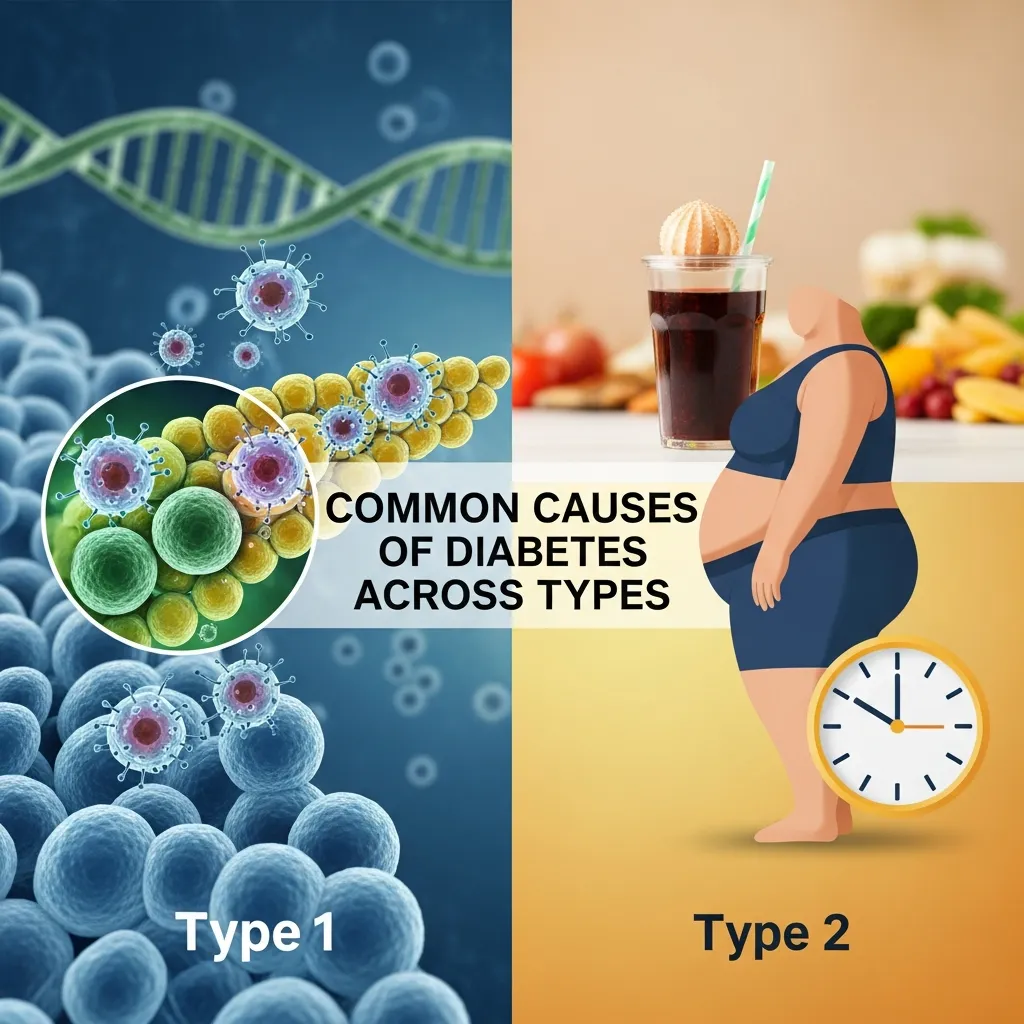 When examining the major Causes of Diabetes, several common themes appear across nearly all forms of the disease. Although each type of diabetes develops differently, many share a connection between genetics, lifestyle, hormones, and how the body handles insulin and blood sugar.
Genetic vs. Environmental Factors
Most Causes of Diabetes involve a combination of inherited risk and outside influences. Genetics may increase a person’s susceptibility, but environmental triggers often determine whether the condition develops.
For example:
- In Type 1 diabetes, a person may inherit immune-related genes, but infections or other triggers may activate the disease.
- In Type 2 diabetes, family history can raise risk, while poor diet and inactivity may accelerate onset.
- In gestational diabetes, hormonal changes during pregnancy reveal an underlying tendency toward insulin resistance.
This shows that genetics alone are rarely the only explanation. Instead, genes often interact with lifestyle or biological stressors.
Interplay of Factors in the Causes of Diabetes
The human body works through connected systems, so diabetes often develops through a chain reaction rather than a single cause.
For instance:
Poor diet may lead to weight gain.
Weight gain can increase insulin resistance.
Insulin resistance forces the pancreas to work harder.
Over time, the pancreas may struggle to keep up.
As insulin production falls, blood sugar rises.
This gradual progression is one of the most common Causes of Diabetes, especially in Type 2 diabetes. It also explains why treating only one symptom is often not enough.
Insulin Dysfunction as a Shared Theme
A common link in many Causes of Diabetes is a problem with insulin. This may include:
- The body not making enough insulin
- The body not responding properly to insulin
- The pancreas being damaged
- Hormones blocking insulin action temporarily
Because insulin controls how glucose enters cells, any disruption can result in high blood sugar levels.
Lifestyle and Modern Health Risks
Modern habits can increase diabetes risk across populations. Lack of physical activity, highly processed foods, poor sleep, chronic stress, and obesity are all connected to several Causes of Diabetes. These factors may not act alone, but together they significantly raise long-term risk.
Why Understanding Common Causes Matters
Recognizing shared Causes of Diabetes helps with prevention and early intervention. Healthy eating, regular movement, weight management, stress control, and routine screenings can reduce the chance of developing diabetes or delay its onset.
Key Takeaway
Although diabetes has multiple forms, the disease often develops through a mix of genetics, environment, and insulin imbalance. Understanding these common Causes of Diabetes empowers people to make informed choices and protect their long-term health.
Prevention and Management Strategies
While some risk factors, like genetics and age, cannot be changed, you can influence many others. Managing your risk and treating the condition require a proactive approach.
Lifestyle Modifications
If you are at risk for Type 2 diabetes, making lifestyle changes can delay or even prevent its onset. Focus on eating a balanced diet rich in vegetables, lean proteins, and whole grains. For great meal ideas, explore our guide on [Healthy Recipes for Diabetics]. Regular physical activity is equally critical. Try to get at least 150 minutes of moderate aerobic activity every week. If you have already been diagnosed, learn more about [Managing Blood Sugar] effectively.
Early Detection
Catching the signs early can prevent severe complications. Routine blood tests during annual check-ups can detect prediabetes before it progresses. Familiarize yourself with the [Symptoms of Diabetes], which include excessive thirst, frequent urination, and unexplained weight loss.
For more comprehensive guidelines on care and prevention, you can visit the [American Diabetes Association] and the [World Health Organization – Diabetes] resources.
FAQs
1. What are the main Causes of Diabetes?
The main Causes of Diabetes include genetics, poor diet, obesity, lack of physical activity, insulin resistance, and hormonal changes depending on the type.
2. Can diabetes be caused only by eating sugar?
No, eating sugar alone does not directly cause diabetes. The Causes of Diabetes are more complex and include lifestyle, genetics, and how the body processes insulin.
3. Is diabetes always hereditary?
Not always. Genetics play a role in the Causes of Diabetes, but lifestyle and environmental factors are equally important in most cases.
4. What lifestyle factors increase the risk of diabetes?
Unhealthy diet, physical inactivity, obesity, poor sleep, and chronic stress are major lifestyle-related Causes of Diabetes.
5. Can stress cause diabetes?
Stress does not directly cause diabetes, but long-term stress can increase blood sugar levels and worsen insulin resistance.
6. Does obesity cause diabetes?
Yes, obesity is one of the strongest Causes of Diabetes, especially Type 2 diabetes, because it increases insulin resistance.
7. Can diabetes be prevented?
Many cases of Type 2 diabetes can be prevented or delayed by maintaining a healthy weight, eating a balanced diet, and staying active.
8. Are there different Causes of Diabetes for Type 1 and Type 2?
Yes, Type 1 is mainly caused by autoimmune reactions, while Type 2 is mostly linked to lifestyle and insulin resistance.
9. Can medications cause diabetes?
Yes, certain medications like steroids or some psychiatric drugs can be temporary Causes of Diabetes by affecting insulin levels.
10. Why is understanding Causes of Diabetes important?
Understanding the Causes of Diabetes helps people take preventive steps, detect risks early, and manage blood sugar more effectively.
Conclusion
The Causes of Diabetes are complex and involve a combination of genetic, lifestyle, environmental, and medical factors. While Type 1 diabetes is mainly linked to autoimmune damage, Type 2 diabetes is strongly influenced by lifestyle choices such as diet, activity level, and weight. Other rare forms can result from medications, hormonal disorders, or pancreatic diseases. Understanding these Causes of Diabetes is essential for early prevention, timely diagnosis, and better long-term management. With healthy habits and regular medical care, many risks can be reduced and overall health can be improved.
