Types of diabetes include Type 1, Type 2, and gestational diabetes. These conditions affect how the body produces or uses insulin, leading to high blood sugar levels. Proper diagnosis, lifestyle changes, and treatment are essential for effective management.
Type 1 Diabetes: The Autoimmune Condition
Type 1 diabetes occurs when your immune system, which normally protects the body from harmful bacteria and viruses, mistakenly attacks and destroys the insulin-producing beta cells in the pancreas. This leads to little or no insulin production. It is one of the most serious forms of types of diabetes affecting blood sugar regulation in the body.
The exact cause of this autoimmune response is still not fully understood, but researchers believe a combination of genetic predisposition and environmental triggers—such as viral infections—may play an important role. Unlike lifestyle-related diabetes, type 1 diabetes is not preventable and can develop at any age, though it is often diagnosed in children and young adults.
Because the pancreas cannot produce enough insulin, glucose builds up in the bloodstream instead of entering the body’s cells for energy. This results in high blood sugar levels, which can quickly become dangerous if untreated. Common symptoms include extreme thirst, frequent urination, sudden weight loss, irritability, blurred vision, and severe fatigue.
Doctors diagnose type 1 diabetes using blood tests that measure glucose levels and detect specific autoantibodies that confirm the immune system’s attack on pancreatic cells. Early diagnosis is important to prevent life-threatening complications such as diabetic ketoacidosis (DKA), a medical emergency.
Management of type 1 diabetes requires lifelong insulin therapy, making it a key example under types of diabetes management strategies. Insulin can be administered through multiple daily injections or continuous insulin pump therapy. Patients must carefully balance insulin doses with food intake and physical activity.
In addition to insulin therapy, lifestyle management plays a crucial role. Individuals need to monitor blood sugar regularly, follow a balanced diet, count carbohydrates accurately, and maintain consistent exercise routines. Education and self-care are essential parts of long-term control.
Without proper management, type 1 diabetes can lead to serious complications such as nerve damage (neuropathy), kidney failure, vision problems, and cardiovascular disease. Therefore, maintaining stable blood glucose levels is the most important goal in preventing long-term damage.
Overall, type 1 diabetes is a lifelong condition, but with proper treatment, monitoring, and awareness of types of diabetes, individuals can lead healthy and active lives.
Type 2 Diabetes: Lifestyle and Genetics
 Type 2 diabetes is the most common form of the disease and is a major part of types of diabetes worldwide. It usually develops in adults, but it is now increasingly seen in children and teenagers due to changing lifestyles, poor diet habits, and reduced physical activity. This condition is strongly influenced by both lifestyle factors and genetic predisposition.
In type 2 diabetes, the body develops insulin resistance, meaning the cells do not respond properly to insulin. At first, the pancreas compensates by producing more insulin. Over time, however, it becomes unable to maintain normal blood glucose levels, leading to persistent high blood sugar.
Unlike type 1 diabetes, symptoms of type 2 diabetes often develop slowly over many years. Many individuals may not notice any clear signs in the early stages. When symptoms do appear, they are often mild and include increased thirst, frequent urination, fatigue, blurred vision, frequent infections, and slow-healing wounds. Because of this gradual onset, regular screening is very important, especially for individuals with risk factors such as obesity, sedentary lifestyle, or a family history of types of diabetes.
Management of type 2 diabetes typically begins with lifestyle modifications. A balanced diet rich in fiber, whole grains, vegetables, and lean proteins helps improve blood sugar control. Regular physical activity such as walking, cycling, or exercise improves insulin sensitivity and supports weight management. Even small lifestyle changes can make a significant difference in blood glucose control.
If lifestyle changes are not enough to maintain normal blood sugar levels, doctors may prescribe oral medications that help improve insulin function or reduce glucose production in the liver. In more advanced cases, insulin therapy may also be required. In some individuals, consistent weight loss, healthy eating, and active living can lead to remission or significant improvement in the condition.
Proper education, regular monitoring of blood glucose, and long-term lifestyle discipline are essential for managing type 2 diabetes effectively. With the right approach, many people can live healthy, active lives while controlling this chronic condition under the broader category of types of diabetes.
Gestational Diabetes: Pregnancy-Related
Gestational diabetes develops during pregnancy in women who did not previously have diabetes. It is an important condition under types of diabetes that specifically affects pregnant women due to hormonal changes. These hormones can make the body less responsive to insulin, and if the pancreas cannot produce enough extra insulin, blood sugar levels begin to rise.
Risk factors include being overweight before pregnancy, having a family history of diabetes, previous gestational diabetes, or being older than 25. Because it often has no obvious symptoms, healthcare providers routinely screen for gestational diabetes between the 24th and 28th weeks of pregnancy using an oral glucose tolerance test.
Managing gestational diabetes is very important for the health of both the mother and the baby. If left uncontrolled, it can lead to complications such as high birth weight, premature delivery, and delivery complications. Proper management helps ensure a safer pregnancy outcome.
Treatment usually focuses on healthy eating, portion control, and regular physical activity such as walking or pregnancy-safe exercise. Blood sugar monitoring is also essential to track glucose levels throughout the day. In some cases, insulin injections may be required if diet and exercise are not enough to control blood sugar levels.
Most cases of gestational diabetes resolve after childbirth, but it remains a warning sign for future health risks. Women who experience this condition are at a higher risk of developing type 2 diabetes later in life, making postpartum follow-up and long-term lifestyle changes very important.
Overall, gestational diabetes is a temporary but serious form of types of diabetes that requires careful monitoring and proper medical guidance to protect both mother and baby during pregnancy and beyond.
Other Specific Types of Diabetes
While type 1, type 2, and gestational diabetes are the most common, there are several other specific types of diabetes that develop due to unique genetic, autoimmune, or medical causes. These conditions are less common but still important within the broader group of types of diabetes, as they require different diagnosis and treatment approaches.
Comparison Table of Other Types of Diabetes
| Type |
Cause |
Key Feature |
Treatment Approach |
| Monogenic Diabetes (MODY, Neonatal) |
Single gene mutation |
Runs in families, early onset |
Oral medication or sometimes insulin |
| Secondary Diabetes |
Other diseases or medications |
Caused by conditions like cystic fibrosis or steroids |
Treat underlying cause + blood sugar control |
| LADA (Latent Autoimmune Diabetes in Adults) |
Autoimmune reaction |
Slow-developing type 1-like diabetes in adults |
Initially oral drugs, later insulin |
Key Points to Remember
- These are less common but important forms of types of diabetes
- They may be misdiagnosed as type 1 or type 2 in early stages
- Genetic testing or detailed medical history may be needed for accurate diagnosis
- Treatment varies widely depending on the underlying cause
- Early detection improves long-term blood sugar control
Monogenic Diabetes
Monogenic diabetes is caused by mutations in a single gene and includes conditions such as MODY (Maturity-Onset Diabetes of the Young) and neonatal diabetes. It often runs in families and can appear at a very young age. Unlike other types of diabetes, it may not always require insulin and can sometimes be managed with oral medications.
Secondary Diabetes
Secondary diabetes develops as a result of another medical condition or treatment. Diseases such as cystic fibrosis can damage the pancreas, while long-term use of steroids can also increase blood sugar levels. Managing this type involves treating the underlying condition along with controlling glucose levels.
LADA (Latent Autoimmune Diabetes in Adults)
LADA is an autoimmune form of diabetes that develops slowly in adults. It shares features of both type 1 and type 2 diabetes, which often leads to misdiagnosis. Over time, most patients with LADA eventually require insulin therapy.
Complications of Diabetes
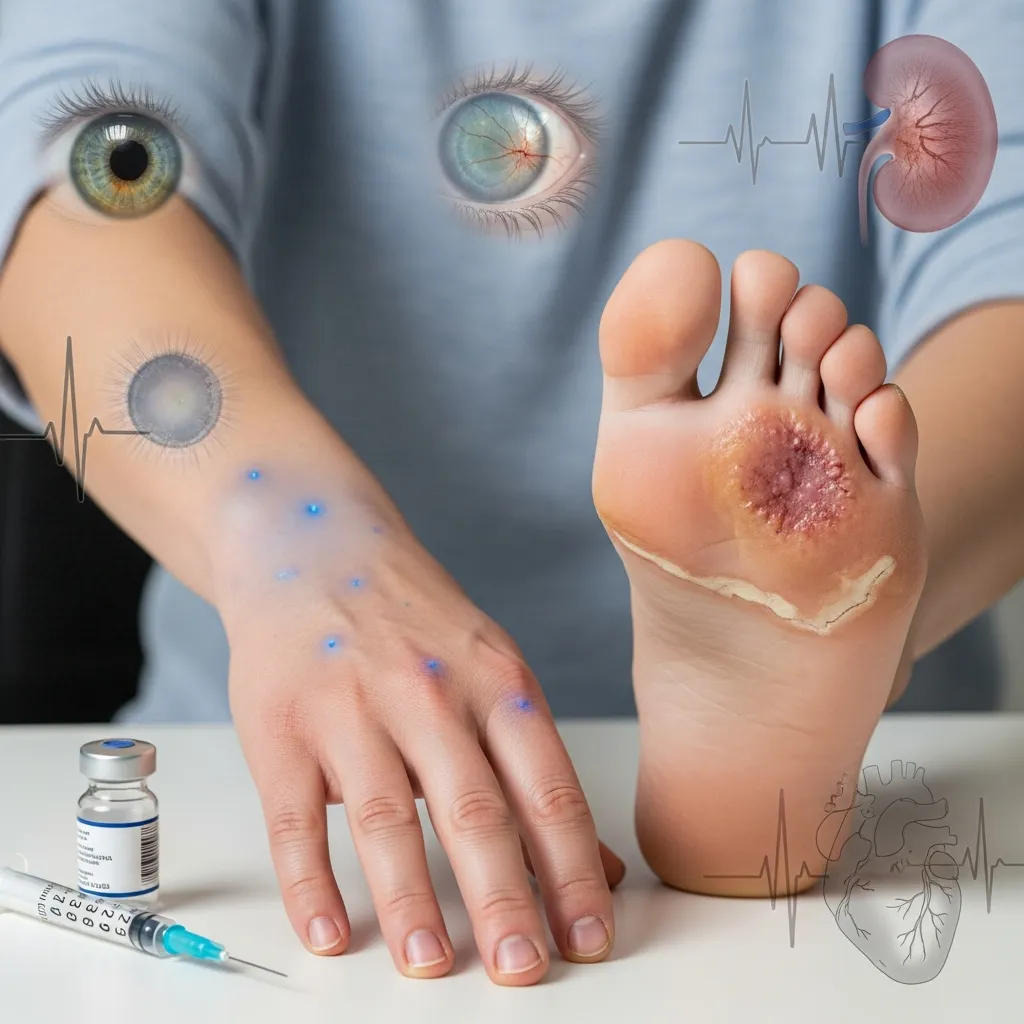 Uncontrolled blood sugar levels can cause extensive damage throughout the body, regardless of the type of diabetes. These complications generally develop over time and can significantly reduce quality of life if diabetes is not properly managed. They are commonly grouped into macrovascular, microvascular, and acute complications within the broader context of types of diabetes.
Macrovascular complications affect the large blood vessels and are among the most serious long-term outcomes. Diabetes greatly increases the risk of cardiovascular diseases such as heart attacks, stroke, and peripheral vascular disease. High blood sugar contributes to plaque buildup in arteries, reducing blood flow and increasing the chance of blockages. Maintaining healthy blood pressure, cholesterol levels, and lifestyle habits is just as important as controlling blood glucose to protect overall heart health.
Microvascular complications involve damage to the small blood vessels throughout the body. In the eyes, this can lead to diabetic retinopathy, which may cause vision impairment or even blindness if untreated. In the kidneys, prolonged high blood sugar can result in diabetic nephropathy, potentially progressing to kidney failure and the need for dialysis. Nerve damage, known as diabetic neuropathy, can cause pain, tingling, numbness, and loss of sensation, especially in the hands and feet, increasing the risk of unnoticed injuries and infections.
Acute complications occur suddenly and can be life-threatening if not treated immediately. Hypoglycemia, or dangerously low blood sugar, can cause dizziness, confusion, sweating, and even loss of consciousness. On the other hand, hyperglycemia, or extremely high blood sugar, can escalate into severe emergencies such as Diabetic Ketoacidosis (DKA) in type 1 diabetes or Hyperosmolar Hyperglycemic State (HHS) in type 2 diabetes. Both conditions require urgent medical attention in a hospital setting.
Overall, complications of diabetes highlight the importance of early diagnosis, consistent monitoring, and proper management across all types of diabetes to prevent long-term damage and life-threatening emergencies.
Living with Diabetes: A Holistic Approach
Managing any form of diabetes requires a comprehensive, holistic approach that goes beyond just medication. Effective care for all types of diabetes depends on understanding how lifestyle, monitoring, and emotional well-being work together to maintain stable blood glucose levels and prevent complications.
Daily management relies heavily on accurate blood glucose monitoring. Regular testing helps individuals understand how food, physical activity, stress, and medication affect their body. This awareness allows better decision-making and helps prevent sudden highs and lows in blood sugar, improving long-term control.
Nutrition and physical activity remain the foundation of diabetes care. A balanced diet rich in whole foods, fiber, vegetables, fruits, and lean proteins helps stabilize blood sugar levels throughout the day. At the same time, regular physical activity such as walking, swimming, or light exercise improves insulin sensitivity, supports weight control, and strengthens cardiovascular health. Together, these habits play a major role in managing different types of diabetes effectively.
Mental health is also a critical but often overlooked part of diabetes management. Living with a long-term condition can sometimes lead to diabetes distress, anxiety, or depression. Emotional stress can also affect blood sugar control. Seeking support from mental health professionals, family, or peer groups can significantly improve coping ability and overall well-being. Sharing experiences with others facing similar challenges helps reduce isolation and builds motivation for better self-care.
Education is another key pillar in successful diabetes management. Working with certified diabetes educators, healthcare providers, and reliable medical resources helps individuals build the knowledge and skills needed to manage daily challenges. Understanding medication use, diet planning, and symptom recognition empowers patients to take control of their condition.
Overall, a holistic approach to managing types of diabetes combines medical treatment, healthy lifestyle habits, emotional support, and continuous education. This balanced strategy not only improves blood sugar control but also enhances quality of life and long-term health outcomes.
Research and Future Directions
 The future of diabetes care holds incredible promise. Technological advancements have already revolutionized management. Continuous Glucose Monitors (CGMs) and advanced insulin pumps provide real-time data and automated insulin delivery, paving the way toward a fully functional artificial pancreas.
Medical research is pushing boundaries with gene therapy and stem cell research. Scientists are exploring ways to replace destroyed beta cells or halt the autoimmune attack in type 1 diabetes. You can follow the latest breakthroughs through the American Diabetes Association.
Public health initiatives are focusing heavily on awareness and early intervention. By promoting healthier environments, better food labeling, and accessible screening programs, public health officials aim to curb the rising tide of type 2 diabetes globally.
Taking Charge of Your Health Journey
Understanding the different types of diabetes highlights just how nuanced this condition is. Whether you are dealing with an autoimmune response, a lifestyle-related metabolic issue, or a pregnancy complication, knowledge is your most powerful tool.
Empower yourself by utilizing available resources, building a strong relationship with your healthcare team, and staying informed about your specific condition. Early detection and proactive management can dramatically alter the course of the disease, allowing you to live a long, healthy, and vibrant life.
If you are concerned about your risk factors, take the first step today. Schedule a screening with your doctor and explore our comprehensive risk assessment tools to start taking control of your health.
Frequently Asked Questions (FAQs)
1. What does living with diabetes mean?
Living with diabetes means managing blood sugar levels daily through diet, exercise, medication, and regular monitoring to prevent complications.
2. Can all types of diabetes be managed naturally?
Lifestyle changes help, especially in type 2 diabetes, but most types of diabetes also require medical treatment.
3. Why is blood glucose monitoring important?
It helps track how food, activity, and medication affect blood sugar levels, allowing better control and prevention of complications.
4. What foods are best for diabetes management?
Whole grains, vegetables, fruits, lean proteins, and high-fiber foods are recommended for stable blood sugar control.
5. Can exercise help manage diabetes?
Yes, regular exercise improves insulin sensitivity and helps maintain healthy blood sugar levels.
6. Is diabetes only a physical condition?
No, types of diabetes also affect mental health, causing stress, anxiety, or emotional challenges.
7. What is diabetes distress?
Diabetes distress refers to emotional stress caused by the constant demands of managing diabetes.
8. Do people with diabetes need lifelong treatment?
Most types of diabetes require long-term or lifelong management, depending on the condition.
9. Can support groups help with diabetes?
Yes, support groups provide emotional support, shared experiences, and practical management tips.
10. Why is education important in diabetes care?
Education helps individuals understand their condition and manage daily challenges effectively.
Conclusion
Living with diabetes requires a balanced and holistic approach that includes medical care, healthy lifestyle choices, emotional support, and continuous education. Managing all types of diabetes effectively depends on consistent blood sugar monitoring, proper nutrition, regular physical activity, and mental well-being. With the right support system and awareness, individuals can successfully control their condition and lead a healthy, active life.