
What Are Infectious Diseases?
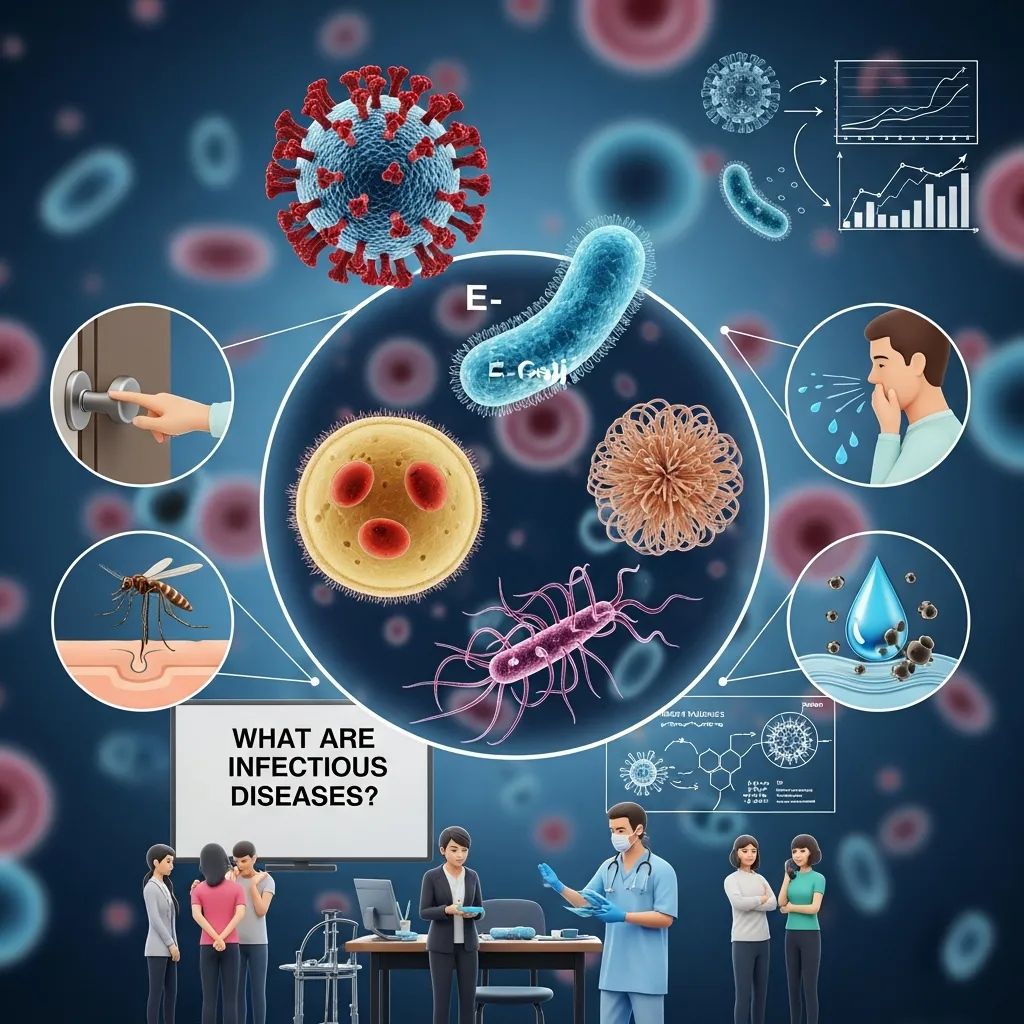 Infectious diseases overview are illnesses caused by harmful microorganisms that enter the body, reproduce, and interfere with normal biological functions. These microorganisms, known as pathogens, include bacteria, viruses, fungi, and parasites. Unlike non-communicable conditions such as diabetes, hypertension, or heart disease, many infectious diseases can spread between people, from animals to humans, or through exposure to contaminated food, water, air, or surfaces.
If you want to understand how specific symptoms connect to particular illnesses, our guide to common diseases and symptoms offers a detailed breakdown.
What Are the Main Types of Infectious Agents?
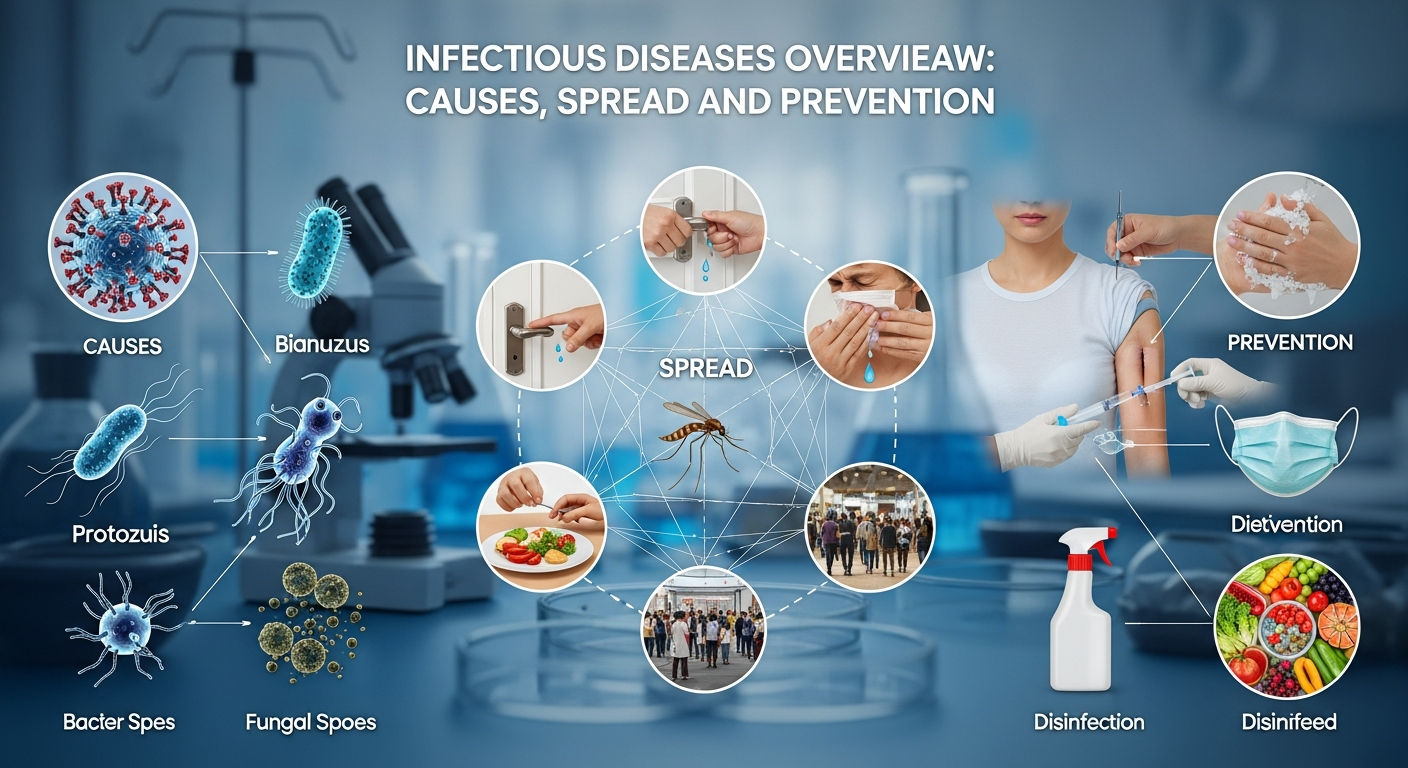
This infectious diseases overview groups pathogens into four major categories. Each type behaves differently and requires a different treatment approach.
Bacteria
Bacteria are single-celled organisms that can live almost anywhere—in soil, water, and even inside the human body. Most bacteria are harmless or helpful, like the gut bacteria that aid digestion. However, harmful bacteria cause illnesses such as strep throat, tuberculosis, and urinary tract infections. Bacterial infections usually respond well to antibiotics.
Viruses
Viruses are much smaller than bacteria and cannot survive without a living host. They invade healthy cells and use them to make copies of themselves. The common cold, influenza, HIV, and COVID-19 are all viral infections. Importantly, antibiotics do not work against viruses—a key fact that affects treatment choices.
Fungi
Fungi include yeasts and molds. While many fungal infections are mild, such as athlete’s foot or ringworm, others can be dangerous for people with weakened immune systems. Common fungal infections affect the skin, nails, and respiratory system.
Parasites
Parasites live on or inside another organism and feed off it. Malaria, caused by a parasite spread through mosquito bites, is one of the deadliest parasitic diseases in the world. Other examples include intestinal worms and lice.
How Do Infectious Diseases Spread?
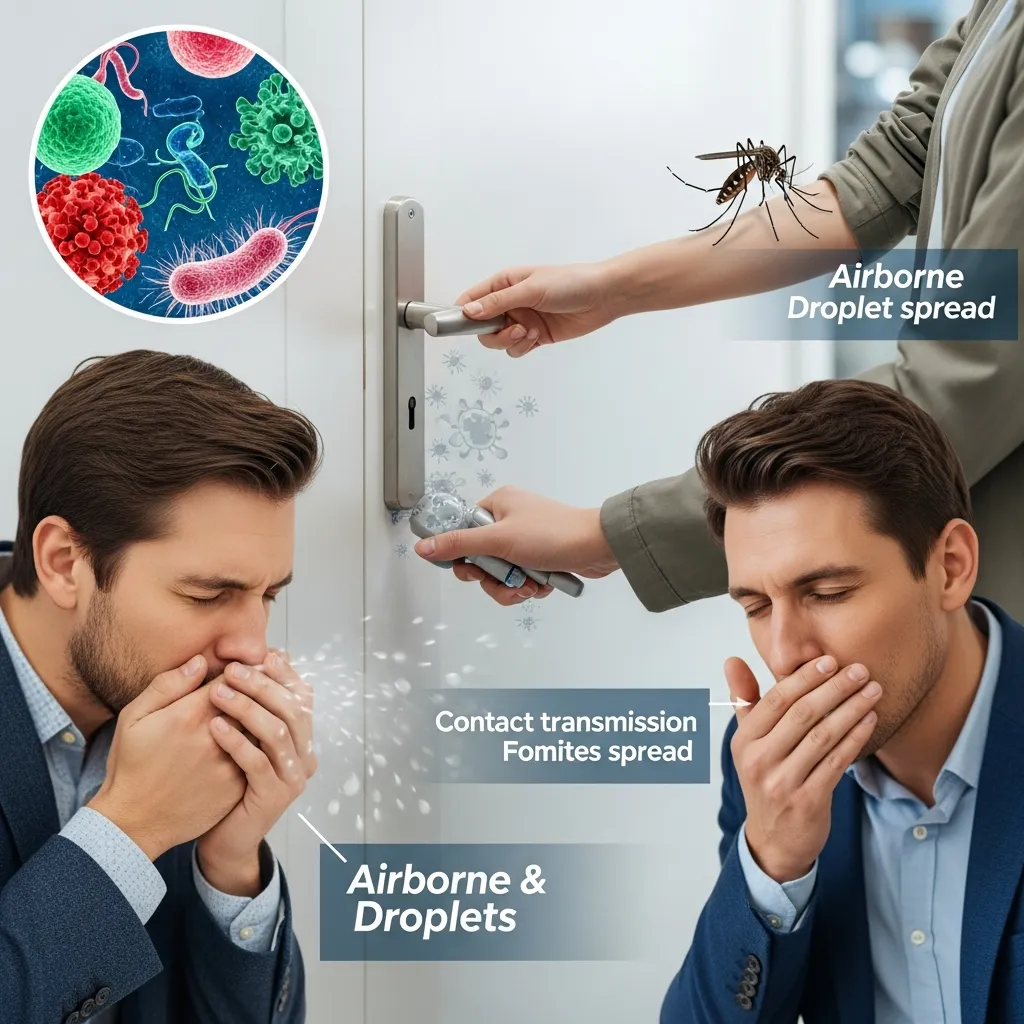 Understanding transmission is central to any infectious diseases overview because it tells you how to break the chain of infection. Pathogens spread through several common routes:
- Direct contact: Touching an infected person, including through handshakes, kissing, or sexual contact.
- Airborne droplets: Breathing in tiny droplets released when an infected person coughs, sneezes, or talks. This is how the flu and COVID-19 spread.
- Contaminated food and water: Eating or drinking items carrying harmful germs, which causes illnesses like cholera and food poisoning.
- Insect bites: Mosquitoes, ticks, and fleas carry pathogens that cause malaria, Lyme disease, and dengue fever.
- Contaminated surfaces: Touching a doorknob, phone, or counter that holds germs, then touching your face.
Knowing these routes helps explain why simple habits—like handwashing and covering your mouth—are so effective at stopping outbreaks.
What Role Does the Immune System Play?
Your immune system is the body’s natural defense against infection. It works in two main stages.
The first line of defense is the innate immune system. This includes physical barriers like your skin, the acid in your stomach, and the mucus in your nose. These barriers block most germs before they ever cause harm.
When a pathogen breaks through, the adaptive immune system kicks in. It produces antibodies—special proteins that recognize and destroy specific invaders. After fighting off an infection, your body “remembers” that pathogen. This memory is why you often become immune to certain diseases after having them once, and it is also the principle behind how vaccines work.
A strong immune system depends on good nutrition, regular sleep, exercise, and stress management. People with weakened immune systems, such as the elderly or those with chronic conditions, face higher risks from infections.
How Are Infectious Diseases Diagnosed?
Accurate diagnosis is the foundation of effective treatment. Doctors use a combination of methods to identify the exact cause of an infection.
The process usually begins with a review of your symptoms and medical history, followed by a physical examination. From there, physicians may order laboratory tests such as:
- Blood tests to detect infection markers and identify specific pathogens.
- Throat or nasal swabs to find viruses and bacteria, commonly used for strep throat and COVID-19.
- Urine and stool samples to spot infections in the urinary and digestive systems.
- Imaging tests like X-rays to check for conditions such as pneumonia.
Rapid diagnostic tools, including at-home test kits, have made detection faster and more accessible. For a deeper look at how clinicians identify illnesses step by step, explore our medical diagnosis guide.
What Are the Treatment Approaches for Infectious Diseases?
Treatment depends entirely on the type of pathogen causing the illness. Choosing the wrong medication can be ineffective and even harmful.
Antibiotics treat bacterial infections by killing bacteria or stopping their growth. However, doctors stress the importance of finishing the full course and avoiding overuse, since misuse leads to antibiotic resistance—a growing global health crisis.
Antiviral medications help manage viral infections like the flu, HIV, and COVID-19. These drugs do not kill viruses outright but slow their spread, giving the immune system time to respond.
Antifungal drugs target fungal infections, available as creams, tablets, or intravenous treatments depending on severity.
Antiparasitic medications treat infections like malaria and intestinal worms.
For many mild infections, supportive care—rest, fluids, and over-the-counter symptom relief—is enough to recover fully. Severe cases may require hospitalization and specialized treatment.
What Are the Best Prevention Strategies?
Prevention is always better than cure, and most infectious diseases can be avoided with simple, consistent habits.
- Get vaccinated. Vaccines train your immune system to fight specific diseases before exposure. They have eliminated or controlled illnesses like polio, measles, and smallpox.
- Wash your hands often. Proper handwashing with soap and water removes germs and is one of the most effective ways to prevent illness.
- Practice food safety. Cook food thoroughly, store it properly, and avoid cross-contamination.
- Use insect protection. Repellents, nets, and protective clothing reduce the risk of insect-borne diseases.
- Stay home when sick. Isolating yourself prevents passing infections to others.
- Practice safe sex. Using protection reduces the spread of sexually transmitted infections.
These strategies, when followed by entire communities, dramatically lower the spread of infectious diseases across populations.
What Is the Global Impact and Epidemiology of Infectious Diseases?
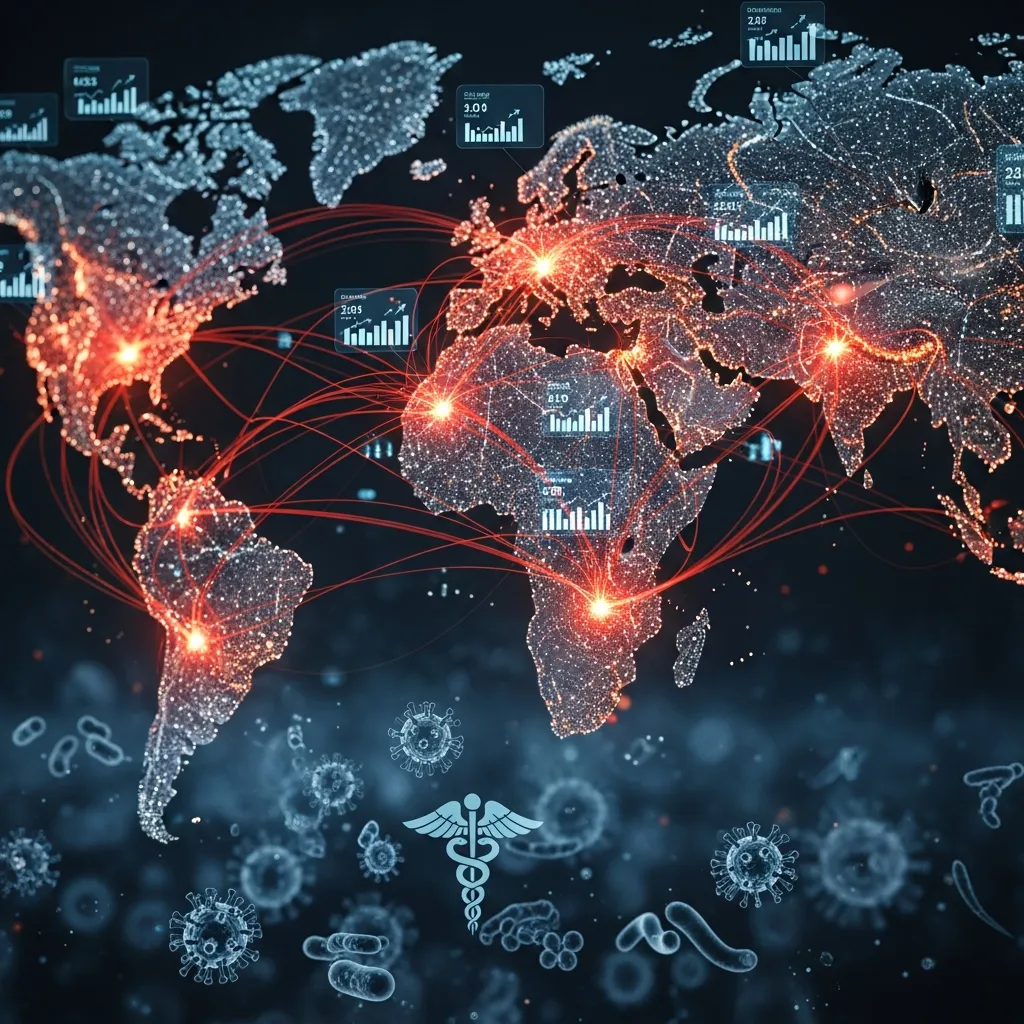 Epidemiology is the study of how diseases spread and affect populations. This field helps health officials track outbreaks, identify risk factors, and design control measures.
Infectious diseases carry an enormous global burden. Conditions like tuberculosis, malaria, and HIV/AIDS still claim millions of lives each year, particularly in developing countries with limited healthcare access. The COVID-19 pandemic showed how quickly a new pathogen can spread across the globe and disrupt entire economies and health systems.
Global organizations like the WHO and the Centers for Disease Control and Prevention (CDC) monitor disease patterns and coordinate responses. Surveillance systems, vaccination campaigns, and public health education all play vital roles in reducing the impact of these illnesses.
Modern hospitals also rely on digital tools to track and manage outbreaks efficiently. Our healthcare management system guide explains how technology supports coordinated disease control and patient care.
What Are the Challenges and Future Perspectives?
Despite major progress, the fight against infectious diseases faces serious challenges.
Antibiotic resistance is one of the biggest threats. As bacteria evolve to survive existing drugs, common infections become harder to treat. The WHO has called this one of the top global health concerns of our time.
Emerging diseases also pose risks. New pathogens, like the virus behind COVID-19, can appear suddenly and spread rapidly. Climate change and increased global travel make it easier for diseases to cross borders.
Looking ahead, the future of infectious disease control is promising. Advances in vaccine technology, including mRNA vaccines, allow faster development during outbreaks. Artificial intelligence now helps predict outbreaks and analyze data, while improved diagnostics enable earlier detection. Continued investment in research, healthcare infrastructure, and global cooperation will be essential to staying ahead of new threats.
Conclusion
In this infectious diseases overview, we explored how infectious diseases develop, spread, and impact individuals and communities worldwide. These illnesses are caused by pathogens such as bacteria, viruses, fungi, and parasites, each with unique characteristics and treatment approaches. Understanding the causes, symptoms, transmission methods, and prevention strategies of infectious diseases is essential for maintaining personal and public health.
Modern medicine has made significant progress in diagnosing and treating infections, yet challenges such as emerging infectious diseases and antibiotic resistance continue to threaten global health. Fortunately, many infections can be prevented through vaccination, proper hygiene, safe food handling, clean water access, and early medical intervention.
By staying informed about infectious diseases, recognizing symptoms early, and following evidence-based prevention practices, individuals can reduce their risk of infection and help protect those around them. Knowledge remains one of the most powerful tools in the fight against infectious diseases, contributing to healthier communities and a safer future for everyone.
Frequently Asked Questions
1. What is an infectious disease in simple terms?
An infectious disease is an illness caused by harmful germs—such as bacteria, viruses, fungi, or parasites—that enter the body and multiply. These diseases can spread from person to person, through animals, or via contaminated food, water, and surfaces.
2. What are the four main types of infectious agents?
The four main types are bacteria, viruses, fungi, and parasites. Each type behaves differently and requires a specific treatment. For example, antibiotics treat bacterial infections but have no effect on viral infections.
3. How do infectious diseases spread from person to person?
Disease transmission can occur through direct contact, airborne droplets from coughing or sneezing, contaminated food and water, insect bites, and touching contaminated surfaces. Good hygiene practices help reduce the spread of infections.
4. Can antibiotics cure viral infections like the flu?
No. Antibiotics only work against bacterial infections. They do not treat viral illnesses such as influenza or the common cold. Misusing antibiotics contributes to antibiotic resistance, making future infections more difficult to treat.
5. How does the immune system fight infections?
The immune system uses physical barriers such as skin and mucus as a first line of defense. It then produces antibodies and activates specialized immune cells to identify and destroy harmful pathogens.
6. What is the most effective way to prevent infectious diseases?
Vaccination and regular handwashing are among the most effective prevention methods. Safe food practices, insect protection, staying home when sick, and practicing safe sex also help reduce infection risk.
7. How are infectious diseases diagnosed?
Doctors diagnose infectious diseases through symptom evaluation, medical history, physical examinations, laboratory testing, blood tests, throat swabs, urine samples, and imaging studies when necessary.
8. Why is antibiotic resistance a serious problem?
Antibiotic resistance occurs when bacteria evolve and become resistant to medications designed to kill them. This can lead to longer illnesses, increased healthcare costs, and a greater risk of severe complications.
9. Are all infectious diseases contagious?
No. Some infectious diseases require specific carriers or environmental exposure. For example, malaria spreads through mosquitoes, while many respiratory infections spread directly between people.
10. When should I see a doctor for an infection?
Seek medical attention if you experience a persistent high fever, difficulty breathing, severe pain, worsening symptoms, dehydration, confusion, or signs of a serious infection. Early diagnosis and treatment often improve outcomes.
