
Close Menu

    Subscribe to Updates

    Get the latest creative news from FooBar about art, design and business.

    What's Hot

    Infectious Diseases Overview: Causes, Spread, and Prevention

    June 8, 2026

    Healthcare Management System: Complete Guide to Modern Healthcare Operations

    June 6, 2026

    Your Complete Guide to Common Diseases and Symptoms

    May 20, 2026
    Facebook X (Twitter) Instagram
    My BlogMy Blog
    Facebook X (Twitter) Instagram
    • Homepage
    • About us
    • Contact us
    My BlogMy Blog
    Home»Medical Education»Healthcare Management System: Complete Guide to Modern Healthcare Operations
    Medical Education

    Healthcare Management System: Complete Guide to Modern Healthcare Operations

    adminBy adminJune 6, 2026Updated:June 6, 2026No Comments12 Mins Read
    Facebook Twitter Pinterest LinkedIn Tumblr Reddit WhatsApp Email
    Healthcare Management System
    Share
    Facebook Twitter LinkedIn Pinterest WhatsApp Email

    A healthcare management system streamlines hospital operations, improves patient care, enhances data management, and increases efficiency through digital tools, automation, and integrated healthcare workflows across modern medical facilities.

    A healthcare management system is a digital framework designed to manage the daily operations of hospitals, clinics, and healthcare organizations. It integrates patient records, appointment scheduling, billing, diagnostics, and administrative tasks into a unified platform, helping healthcare providers streamline workflows and improve overall service delivery.

    In today’s fast-growing healthcare industry, manual systems are no longer efficient. Healthcare providers need faster, more accurate, and more reliable solutions to handle increasing patient loads, complex medical data, and rising expectations for quality care. This is where a modern healthcare management system becomes essential for ensuring smooth coordination across all departments.

    A well-designed healthcare management system improves communication between departments, reduces errors, and enhances patient care outcomes. It also supports healthcare professionals by reducing administrative burden and allowing more focus on patient treatment rather than paperwork and repetitive tasks.

    Additionally, a healthcare management system supports data-driven decision-making by providing real-time access to patient information and hospital performance metrics. It also strengthens data security through encrypted storage and controlled access, ensuring patient confidentiality.

    Overall, adopting a healthcare management system leads to improved efficiency, better patient satisfaction, and more organized healthcare delivery, making it a crucial part of modern healthcare infrastructure.

    Keywords: healthcare management system, hospital management software, patient record system, electronic health records (EHR), digital healthcare solutions, healthcare automation, clinical management system

    What Is a Healthcare Management System?

    A healthcare management system is a software-based solution that helps healthcare institutions manage clinical, financial, and administrative processes in a structured and efficient way. It acts as a centralized platform where all hospital or clinic operations are connected, reducing fragmentation and improving overall service delivery.

    It typically includes:

    • Patient registration and records management
    • Appointment scheduling
    • Electronic health records (EHR)
    • Billing and insurance processing
    • Laboratory and diagnostic integration
    • Pharmacy management

    Modern healthcare management system platforms are often cloud-based, allowing secure access from multiple locations and devices. This flexibility enables doctors, nurses, and administrative staff to access real-time patient information whenever needed, improving coordination and decision-making.

    Understanding the structure of a healthcare management system is essential for improving efficiency, reducing delays, and increasing patient satisfaction in modern healthcare environments. It also helps healthcare providers maintain consistency in care delivery across different departments.

    Importance of a Healthcare Management System

    Importance of healthcare management systemThe importance of a healthcare management system lies in its ability to improve efficiency and reduce operational challenges within healthcare organizations. As patient volumes increase and medical data becomes more complex, digital solutions are no longer optional—they are essential.

    Key benefits include:

    • Improved patient care quality
    • Faster access to medical records
    • Reduced paperwork and manual errors
    • Better coordination between departments
    • Enhanced data security

    Healthcare institutions that implement a healthcare management system experience smoother workflows, faster service delivery, and improved overall organizational efficiency. It also helps reduce administrative workload, allowing healthcare professionals to focus more on patient care rather than documentation.

    Additionally, a healthcare management system supports better clinical decision-making by providing accurate and up-to-date patient information. This leads to more effective treatment planning and improved health outcomes.

    For deeper insights into how systems support diagnosis and care, you can explore the medical diagnosis guide for related clinical workflows.

    Key Components of a Healthcare Management System

    A complete healthcare management system includes multiple integrated modules that work together to streamline hospital and clinic operations. Each module plays a specific role in ensuring smooth workflow, accurate data handling, and improved patient service delivery.

    1. Patient Management

    Handles patient registration, medical history, demographic details, and ongoing treatment records. It ensures that healthcare providers can access complete patient information in one place.

    2. Appointment Scheduling

    Allows patients to book, reschedule, and manage appointments efficiently. It helps reduce waiting times and improves overall clinic organization.

    3. Electronic Health Records (EHR)

    Stores patient data digitally for quick and secure access. The electronic health records system ensures continuity of care across different departments and visits.

    4. Billing and Finance

    Manages insurance claims, invoices, payments, and financial reporting. It reduces billing errors and improves transparency in healthcare transactions.

    5. Laboratory Management

    Tracks test orders, sample collection, and diagnostic results. This ensures faster reporting and better coordination between labs and doctors.

    6. Pharmacy Management

    Controls medication inventory, prescription processing, and drug dispensing. It helps avoid shortages and ensures accurate medication management.

    These components of a healthcare management system work together to ensure seamless healthcare operations, reduce manual workload, and improve overall efficiency in medical facilities.

    How Healthcare Management Systems Improve Patient Care

    A healthcare management system directly improves patient outcomes by reducing delays, minimizing errors, and enabling faster access to medical information. It strengthens coordination between healthcare professionals and ensures that patients receive timely and accurate care.

    It helps by:

    • Ensuring accurate medical records
    • Reducing waiting time
    • Improving communication between doctors and departments
    • Providing faster diagnosis support
    • Enhancing treatment planning

    When healthcare providers have quick access to accurate and updated data, they can make better clinical decisions, leading to improved treatment effectiveness and patient satisfaction.

    For example, modern systems often integrate with educational resources like the guide to common diseases and symptoms, helping doctors and students better understand patient conditions and improve diagnostic accuracy.

    Role of Technology in Healthcare Management Systems
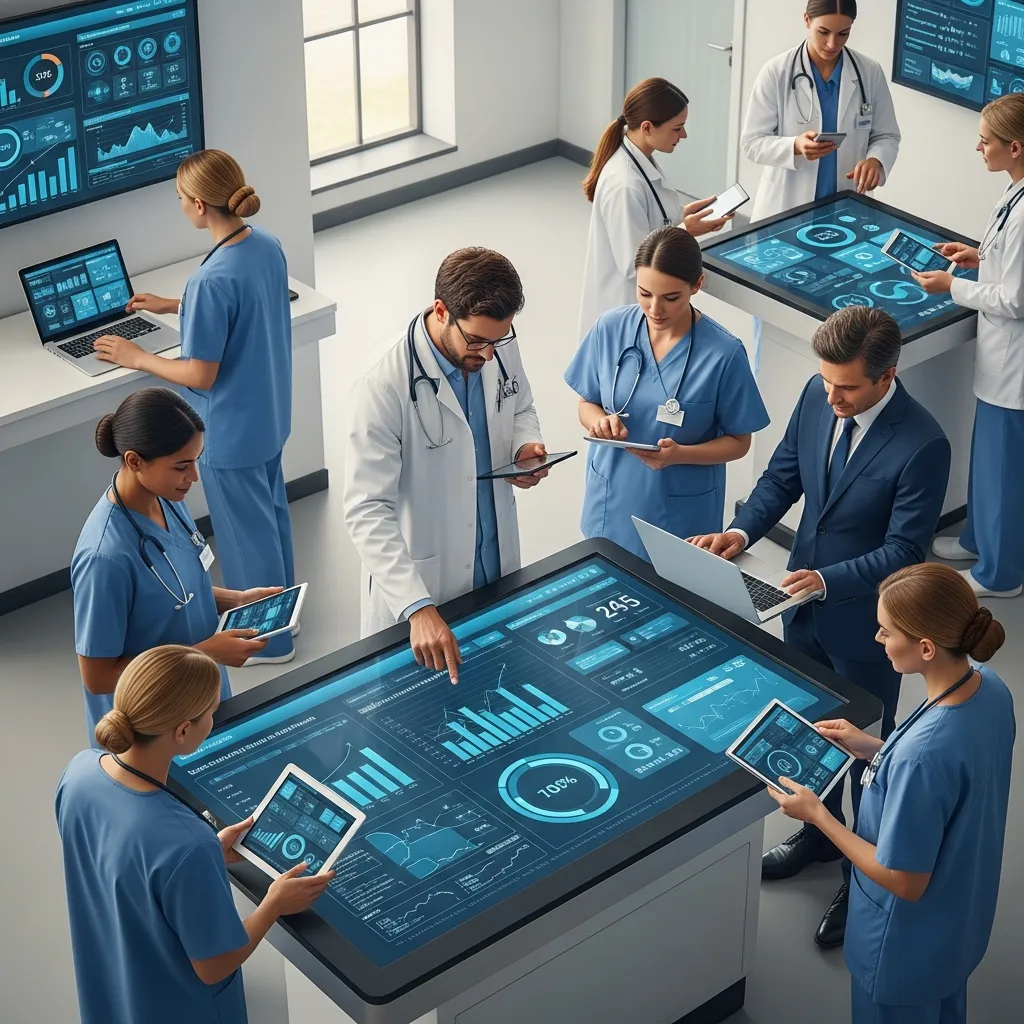
    Technology role in healthcare management systemTechnology is the backbone of a healthcare management system, enabling hospitals and clinics to operate more efficiently and deliver better patient care. Innovations such as cloud computing, artificial intelligence (AI), machine learning, and advanced data analytics are transforming how healthcare services are managed and delivered.

    These technologies allow healthcare providers to move beyond traditional manual processes and adopt a fully digital workflow that improves speed, accuracy, and coordination across departments.

    Key technological advancements include:

    • Cloud-based storage systems
    • AI-powered diagnostics support
    • Mobile health applications
    • Telemedicine integration
    • Automated reporting systems

    These advancements within a healthcare management system improve efficiency, accuracy, and accessibility in healthcare services. They also ensure that critical patient data is available in real time, supporting faster clinical decision-making and reducing delays in treatment.

    Additionally, AI-powered tools help identify patterns in patient data, supporting early diagnosis and predictive healthcare. Telemedicine integration expands access to healthcare services, especially for patients in remote areas.

    For more on digital transformation in healthcare, resources like transforming medical education technology provide valuable insights into how technology is shaping modern healthcare learning and practice.

    Benefits of a Healthcare Management System

    A healthcare management system offers multiple benefits for hospitals, staff, and patients, making it an essential part of modern healthcare infrastructure. It improves both clinical and administrative efficiency while enhancing overall patient experience.

    Key benefits include:

    • Better data organization
    • Reduced operational costs
    • Increased productivity
    • Improved patient satisfaction
    • Enhanced compliance and reporting

    It also helps healthcare providers maintain regulatory standards, improve transparency, and ensure better coordination between departments. By automating routine tasks, a healthcare management system allows medical professionals to focus more on patient care rather than administrative work.

    Furthermore, it strengthens decision-making by providing real-time insights into hospital performance, patient flow, and treatment outcomes.

    Challenges in Healthcare Management Systems

    Despite the many advantages, implementing a healthcare management system is not without challenges. Healthcare organizations often face operational, technical, and financial barriers when adopting new digital systems.

    Common challenges include:

    • High initial setup costs
    • Training requirements for staff
    • Data security concerns
    • System integration issues
    • Maintenance and updates

    One of the biggest challenges in a healthcare management system is ensuring smooth integration with existing hospital infrastructure. Many healthcare facilities still rely on legacy systems, making migration complex and time-consuming. Staff training is also essential, as successful adoption depends on how well users understand and operate the system.

    Data security remains another critical concern. Since healthcare management systems handle sensitive patient information, strong encryption and strict access controls are required to prevent data breaches. Regular updates and system maintenance are also necessary to keep the platform secure and efficient.

    Proper planning, staff training, and long-term digital strategy are essential to overcome these challenges effectively and ensure successful implementation of a healthcare management system.

    Future of Healthcare Management Systems

    The future of healthcare management systems is highly digital, interconnected, and AI-driven. As healthcare continues to evolve, these systems will become even more intelligent and patient-focused, enabling faster and more accurate medical services.

    Emerging trends include:

    • Artificial intelligence in diagnostics
    • Predictive healthcare analytics
    • Fully integrated telehealth platforms
    • Blockchain-based medical records
    • Smart wearable integration

    These innovations will significantly enhance the capabilities of a healthcare management system, improving both clinical outcomes and operational efficiency. AI-driven tools will support early disease detection, while predictive analytics will help healthcare providers anticipate patient needs before conditions worsen.

    Telehealth platforms will continue to expand access to healthcare services, especially in remote and underserved areas. Meanwhile, blockchain technology will improve data security and transparency in medical record management.

    Wearable health devices will also play a major role by continuously collecting patient data and integrating it directly into healthcare management systems for real-time monitoring.

    As a result, healthcare delivery will become more personalized, efficient, and proactive.

    Academic resources such as medical education technology guide highlight how these systems are evolving alongside healthcare education and training, preparing future healthcare professionals for a more digital healthcare environment.

    Healthcare Management System in Modern Hospitals
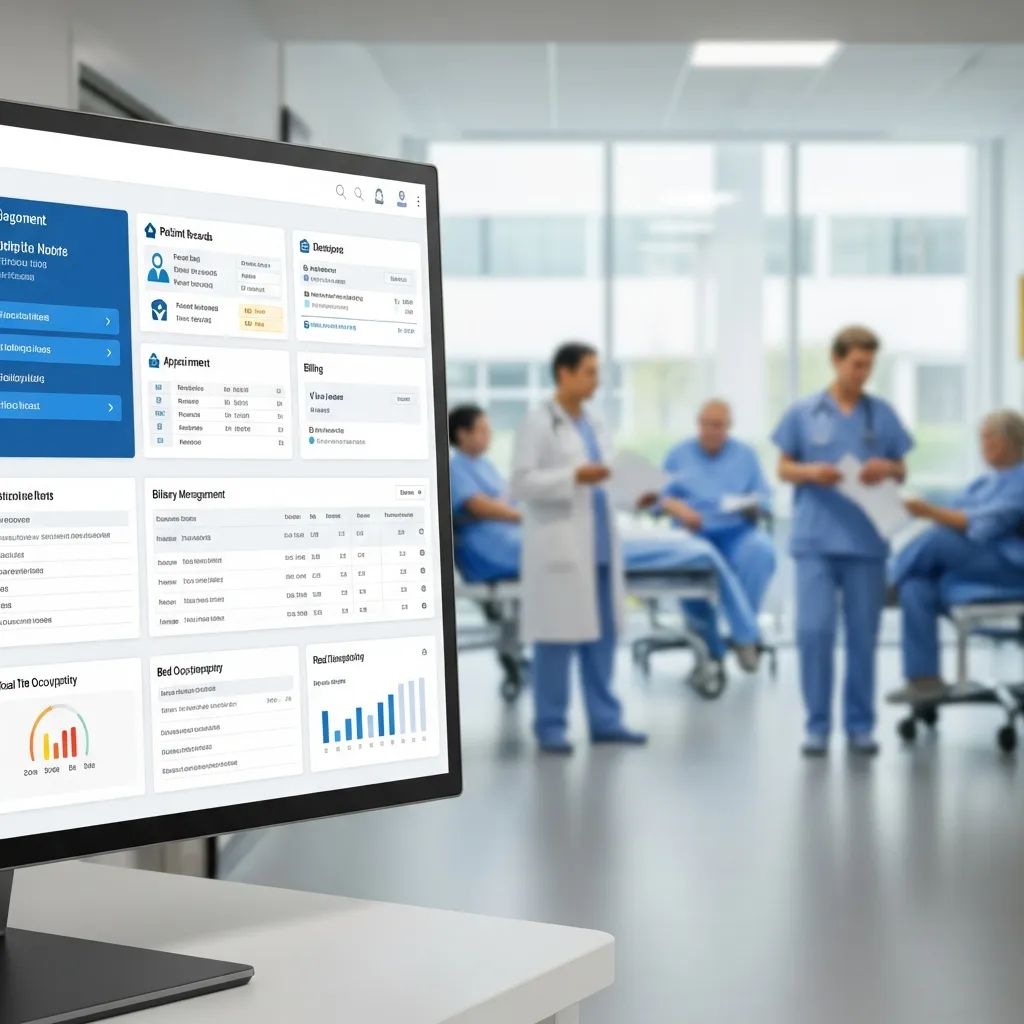
    Healthcare management system in modern hospitalsModern hospitals rely heavily on a healthcare management system to manage large volumes of patients, complex medical records, and multi-department coordination. As healthcare demands continue to grow, digital systems have become essential for maintaining efficiency, accuracy, and quality of care.

    A healthcare management system acts as the central nervous system of a hospital, connecting departments such as outpatient care, emergency services, laboratories, pharmacy, and billing into one unified digital platform.

    These systems ensure:

    • Smooth hospital workflow
    • Accurate medical documentation
    • Faster emergency response
    • Efficient resource management

    In addition to these core functions, a healthcare management system also improves communication between healthcare professionals, ensuring that critical patient information is shared instantly across departments. This reduces delays in diagnosis and treatment, especially in emergency situations where time is critical.

    It also helps hospitals optimize resource allocation, such as staff scheduling, bed management, and equipment usage, which ultimately improves operational efficiency and reduces costs.

    Hospitals without a healthcare management system often struggle with inefficiencies, miscommunication, and delays in patient care. Manual processes increase the risk of errors in medical records, billing, and treatment coordination, which can negatively impact patient outcomes.

    By adopting a healthcare management system, modern hospitals can significantly improve service quality, patient satisfaction, and overall healthcare delivery standards.

    Conclusion

    A healthcare management system is a vital tool in modern healthcare infrastructure. It improves efficiency, enhances patient care, and streamlines hospital operations. As technology continues to evolve, these systems will become even more advanced, offering smarter, faster, and more personalized healthcare solutions. Adopting a healthcare management system is no longer optional—it is essential for delivering high-quality medical services in today’s digital world.

    Frequently Asked Questions (FAQs)

    1. What is a healthcare management system?

    A healthcare management system is a digital platform used to manage hospital operations, patient records, and administrative tasks. It combines clinical, financial, and operational functions into one system. This helps healthcare providers work more efficiently and reduce manual errors.

    2. Why is a healthcare management system important?

    It improves efficiency, reduces medical errors, and enhances the overall quality of patient care. It also ensures better coordination between departments. With real-time data access, healthcare professionals can make faster and more accurate decisions.

    3. Who uses healthcare management systems?

    These systems are used by hospitals, clinics, doctors, nurses, pharmacists, and administrative staff. Each group uses it to manage their specific tasks more effectively. It helps streamline communication and improve patient service delivery.

    4. Is a healthcare management system expensive?

    The initial cost can be high due to software installation, training, and infrastructure setup. However, it saves money in the long run by reducing paperwork and operational inefficiencies. Many scalable options are available for different budgets.

    5. What are the main features of a healthcare management system?

    Key features include patient record management, billing systems, appointment scheduling, and electronic health records (EHR). It may also include laboratory and pharmacy management tools. These features ensure smooth hospital operations.

    6. Can healthcare management systems improve patient care?

    Yes, they significantly improve patient care by providing accurate and up-to-date medical information. This helps doctors make better treatment decisions. It also reduces delays in diagnosis and improves overall care quality.

    7. Is patient data secure in these systems?

    Modern systems use encryption, secure servers, and strict access controls to protect patient data. This ensures confidentiality and prevents unauthorized access. Data security is a top priority in healthcare management systems.

    8. What technology is used in healthcare management systems?

    These systems use cloud computing, artificial intelligence, machine learning, and big data analytics. Mobile health technologies are also integrated. These tools improve efficiency and enable smarter healthcare services.

    9. Can small clinics use healthcare management systems?

    Yes, small clinics can easily use scalable versions of these systems. They are designed to fit both small practices and large hospitals. This makes digital healthcare accessible to all types of providers.

    10. What is the future of healthcare management systems?

    The future includes AI-powered diagnostics, predictive analytics, and telemedicine integration. Blockchain and automation will also improve data security and efficiency. These advancements will make healthcare faster and more personalized.

    Digital Healthcare Healthcare Management System Healthcare Software Hospital Management System Patient Management System
    admin
    • Website

    Related Posts

    Infectious Diseases Overview: Causes, Spread, and Prevention

    June 8, 2026

    Your Complete Guide to Common Diseases and Symptoms

    May 20, 2026

    Revolutionizing Training: Innovative Medical Education Strategies for Clinicians

    May 19, 2026
    Leave A Reply Cancel Reply

    Our Picks

    Infectious Diseases Overview: Causes, Spread, and Prevention

    June 8, 2026

    Healthcare Management System: Complete Guide to Modern Healthcare Operations

    June 6, 2026

    Your Complete Guide to Common Diseases and Symptoms

    May 20, 2026

    Revolutionizing Training: Innovative Medical Education Strategies for Clinicians

    May 19, 2026
    Stay In Touch
    • Facebook
    • Twitter
    • Pinterest
    • Instagram
    • YouTube
    • Vimeo
    Facebook X (Twitter) Instagram Pinterest
    • About us
    • Contact us
    • Privacy Policy
    • Terms and Conditions
    © 2026 Theclinicalchannel. All Rights Reserved.

    Type above and press Enter to search. Press Esc to cancel.