
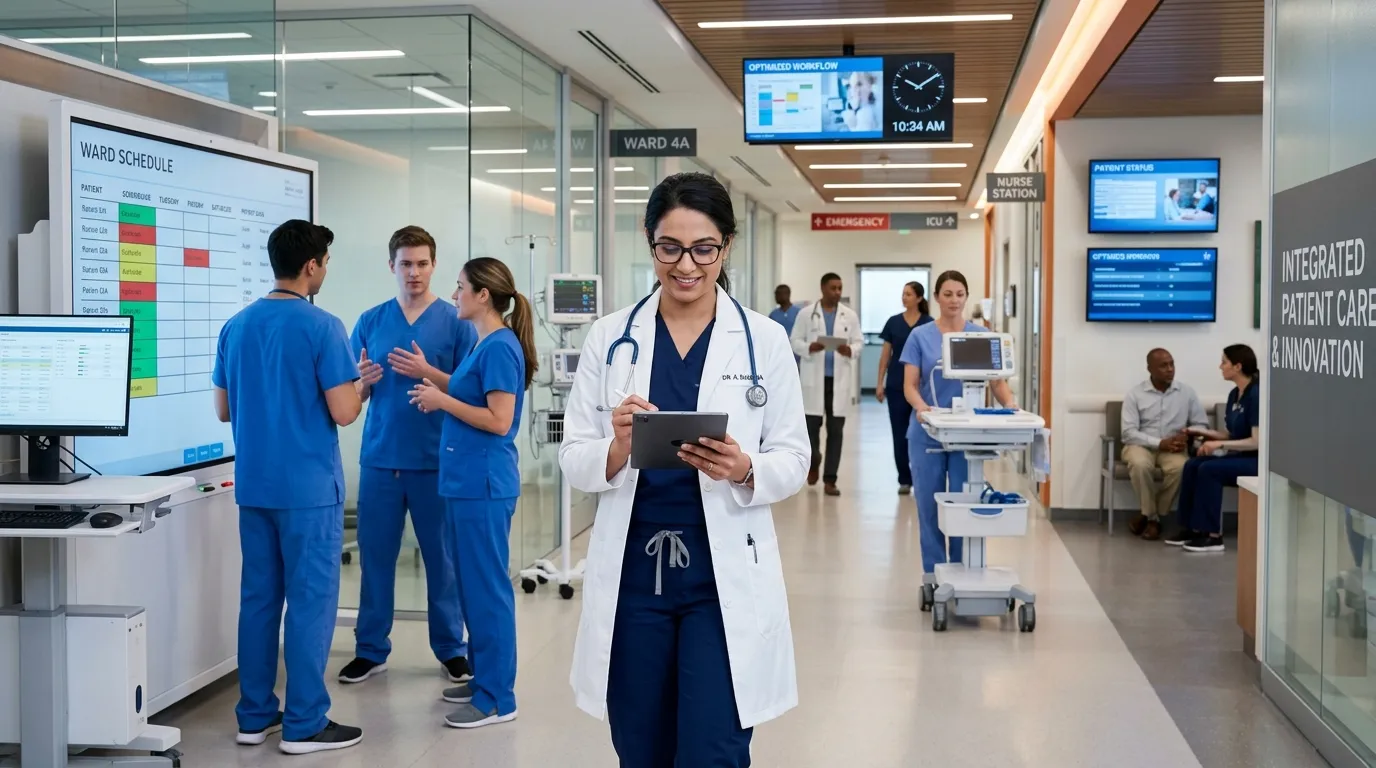
Hospitals and clinics run on countless moving parts. A single patient visit can involve registration, scheduling, documentation, lab orders, medication checks, and billing—each one a chance for delay or error. When these steps don’t connect smoothly, patients wait longer, staff burn out, and costs climb.
Healthcare Workflow Optimization fixes this. It is the structured effort to map out how work flows through a medical facility, find the bottlenecks, and rebuild processes so they run faster and safer. Done well, it touches every department, from the front desk to the operating room.
This guide breaks down what Healthcare Workflow Optimization really means, where to focus your efforts, and which technologies make the biggest difference. You will learn the core areas ripe for Healthcare Process Optimization, the proven benefits, the common roadblocks, and a clear step-by-step method for improving how your organization works. Whether you manage a small clinic or a large hospital network, these strategies will help you deliver better care with less friction.
What Is Healthcare Workflow Optimization and Why Does It Matter?
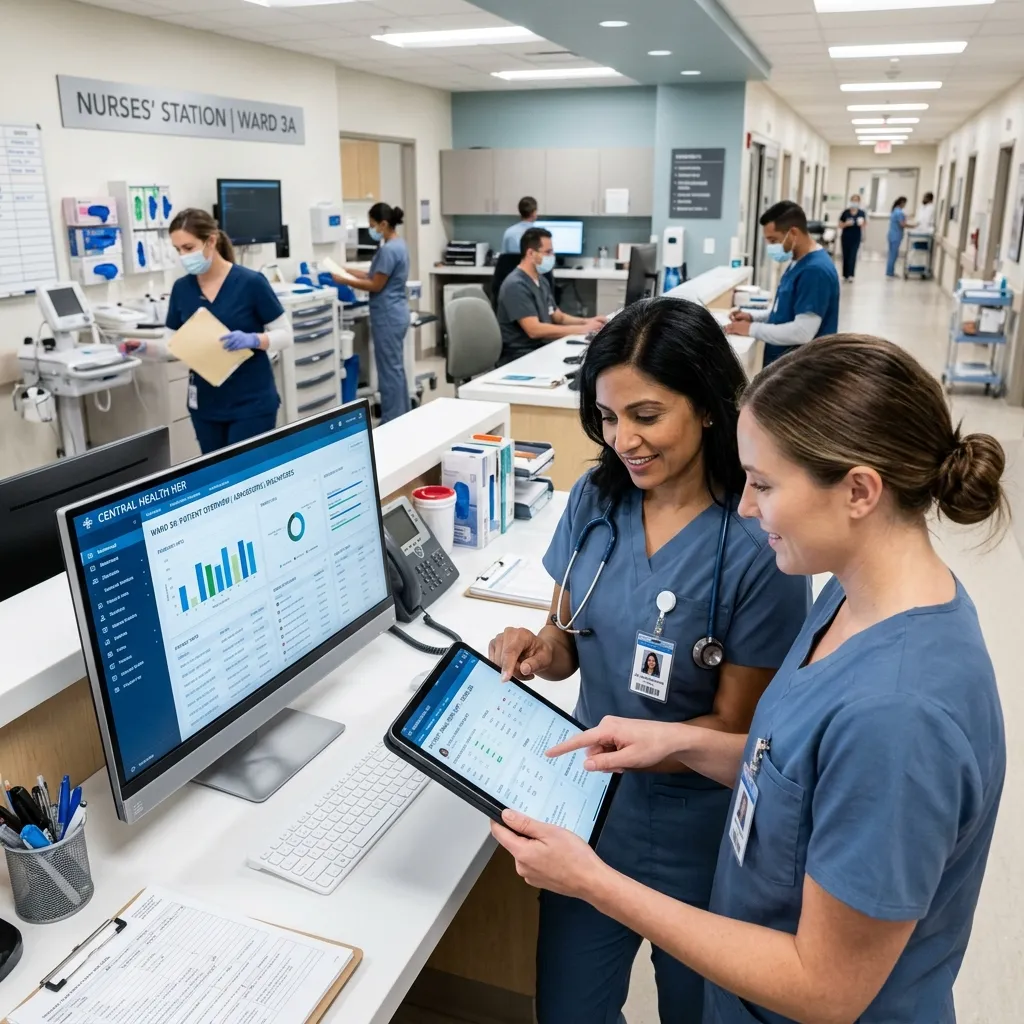 Healthcare Workflow Optimization is the practice of reviewing and improving the sequence of tasks that staff complete to deliver care. It removes redundant steps, automates repetitive work, and connects systems so information moves freely between departments.
The current state of healthcare workflows tells a sobering story. Many facilities still rely on fragmented systems, manual data entry, and disconnected communication channels. Nurses often spend more time on paperwork than at the bedside. Administrative tasks consume thousands of staff hours each year, pulling clinical teams away from patients.
This matters because inefficient workflows carry real costs. They increase the risk of medical errors, lengthen patient wait times, and drive staff burnout. Strong Healthcare Workflow Management turns these weak points into strengths, giving clinicians more time to focus on care and giving administrators clearer control over operations. For a broader look at how digital platforms support this shift, see our healthcare management system guide.
Which Areas Offer the Biggest Opportunities for Healthcare Process Optimization?
Not every process needs the same attention. Some areas create more bottlenecks than others, making them prime targets for Healthcare Process Optimization.
How Can Patient Registration and Admission Be Improved?
Patient registration is the digital front door of any facility. Manual intake forms and repeated data entry slow everything down and frustrate patients before care even begins. Digital pre-registration, self-service kiosks, and automated insurance verification cut wait times and reduce errors. When registration data flows directly into the patient record, every downstream department benefits.
What Makes Appointment Scheduling More Efficient?
Poor scheduling leads to double-bookings, idle exam rooms, and long delays. Smart scheduling systems balance provider availability, room capacity, and equipment use in real time. Patient self-scheduling portals let people book, reschedule, or cancel online, freeing front-desk staff and reducing no-shows through automated reminders.
How Does Clinical Documentation and Data Entry Slow Teams Down?
Documentation is one of the heaviest burdens on clinicians. Long hours spent charting contribute directly to burnout. Voice-to-text tools, templated notes, and AI-assisted documentation help providers record visits faster and more accurately. Better documentation also improves data quality across the entire Healthcare Workflow Management system.
Why Is Medication Management a Critical Workflow?
Medication errors are among the most dangerous breakdowns in care. An optimized medication workflow connects prescribing physicians directly to the pharmacy. The system automatically checks for drug interactions and patient allergies, flagging risks before a prescription is filled. This protects patients and speeds up dispensing.
How Can Discharge Planning and Care Transitions Be Streamlined?
Discharge is often a slow, disorganized process that frustrates patients and ties up beds. Standardized discharge checklists, automated follow-up scheduling, and clear communication with downstream providers smooth the transition. Effective care transitions reduce readmissions and align with sound patient care guidelines.
What Slows Down Billing and Insurance Processing?
Billing errors and claim denials drain revenue and staff time. Automated coding tools cross-reference services with insurance coverage and flag mistakes before claims go out. This shortens the revenue cycle, reduces denials, and frees billing staff for higher-value work.
What Strategies and Technologies Drive Clinical Workflow Optimization?
 The right technology turns manual chaos into smooth, connected processes. These tools form the backbone of modern Clinical Workflow Optimization.
How Do EHR and EMR Systems Support Workflow Optimization?
Electronic Health Records (EHR) and Electronic Medical Records (EMR) sit at the center of clinical operations. They replace paper charts, eliminate illegible handwriting, and let multiple providers view a record at once. A well-configured EHR reduces duplicate work and keeps every team member on the same page. To see how these systems anchor hospital operations, explore our hospital patient management system guide.
Why Are Telemedicine and Virtual Care Platforms Important?
Telemedicine extends care beyond the clinic walls. Virtual visits cut travel time for patients and free up exam rooms for in-person needs. Remote monitoring tools stream patient data into the record, letting providers track chronic conditions without constant office visits. These platforms make care more accessible and reduce strain on physical facilities.
How Do Artificial Intelligence and Machine Learning Help?
Artificial Intelligence (AI) and machine learning analyze the vast data stored in clinical systems. AI tools can predict patient admission spikes, automate medical coding, and highlight potential diagnoses based on symptoms and history. These capabilities help staff plan ahead and make faster, better-informed decisions.
What Role Does Process Automation (RPA) Play?
Robotic Process Automation (RPA) handles repetitive, rule-based tasks like data entry, claims processing, and appointment reminders. By taking these chores off human hands, RPA reduces errors and frees staff for work that requires judgment and empathy. Automation delivers some of the fastest returns in any Healthcare Process Optimization effort.
How Do Data Analytics and Business Intelligence Improve Decisions?
Analytics tools track key metrics such as wait times, bed occupancy, and revenue. By turning raw data into clear dashboards, business intelligence helps leaders spot bottlenecks and allocate resources wisely. Data-driven decisions replace guesswork with evidence.
Why Is Interoperability Essential?
Interoperability allows different systems to share data securely. When the EHR, lab, pharmacy, and billing platforms communicate, information no longer gets stuck in silos. Strong interoperability prevents duplicate tests, reduces errors, and gives every provider a complete view of the patient.
What Are the Benefits of Effective Healthcare Workflow Management?
The payoff from Healthcare Workflow Management reaches across the entire organization. Here are the main benefits.
- Improved patient outcomes and safety: Fewer manual steps mean fewer errors. Clinical decision support and instant access to records help providers deliver safer, more accurate care.
- Enhanced operational efficiency and cost reduction: Automating administrative tasks lowers labor costs and prevents waste. Accurate inventory tracking stops over-purchasing of expensive supplies.
- Increased staff satisfaction and reduced burnout: When technology handles paperwork, clinicians spend more time with patients. This boosts morale and helps retain skilled staff.
- Better regulatory compliance: Built-in audit trails and role-based access controls help facilities meet strict standards like HIPAA, reducing legal risk.
- Greater data accuracy and accessibility: A single source of truth ensures every department works from the same up-to-date information, improving decisions during emergencies.
What Challenges Stand in the Way of Workflow Optimization?
Improving workflows is rewarding, but it is rarely simple. Organizations should plan for these common challenges.
Why Do Staff Resist Change?
People grow comfortable with familiar routines, even inefficient ones. Switching to new digital workflows can frustrate doctors, nurses, and administrative staff. Clear communication, hands-on training, and involving staff early in the process help overcome this resistance.
How Complex Is System Integration?
Connecting new tools with legacy systems is a major technical hurdle. Data fields must be mapped carefully, and extensive testing is needed before go-live. Poor integration can create new bottlenecks instead of removing old ones.
What About Data Security and Privacy Concerns?
As facilities go digital, they become targets for cyberattacks. Protecting sensitive patient data requires encryption, regular updates, and ongoing staff security training. A single breach can put both patients and the organization at serious risk.
Are Upfront Investment Costs a Barrier?
Quality software, hardware upgrades, and training require real financial commitment. Smaller clinics may find these costs steep. A careful cost-benefit analysis helps confirm that long-term savings justify the initial spend.
How Do You Optimize Healthcare Workflows Step by Step?
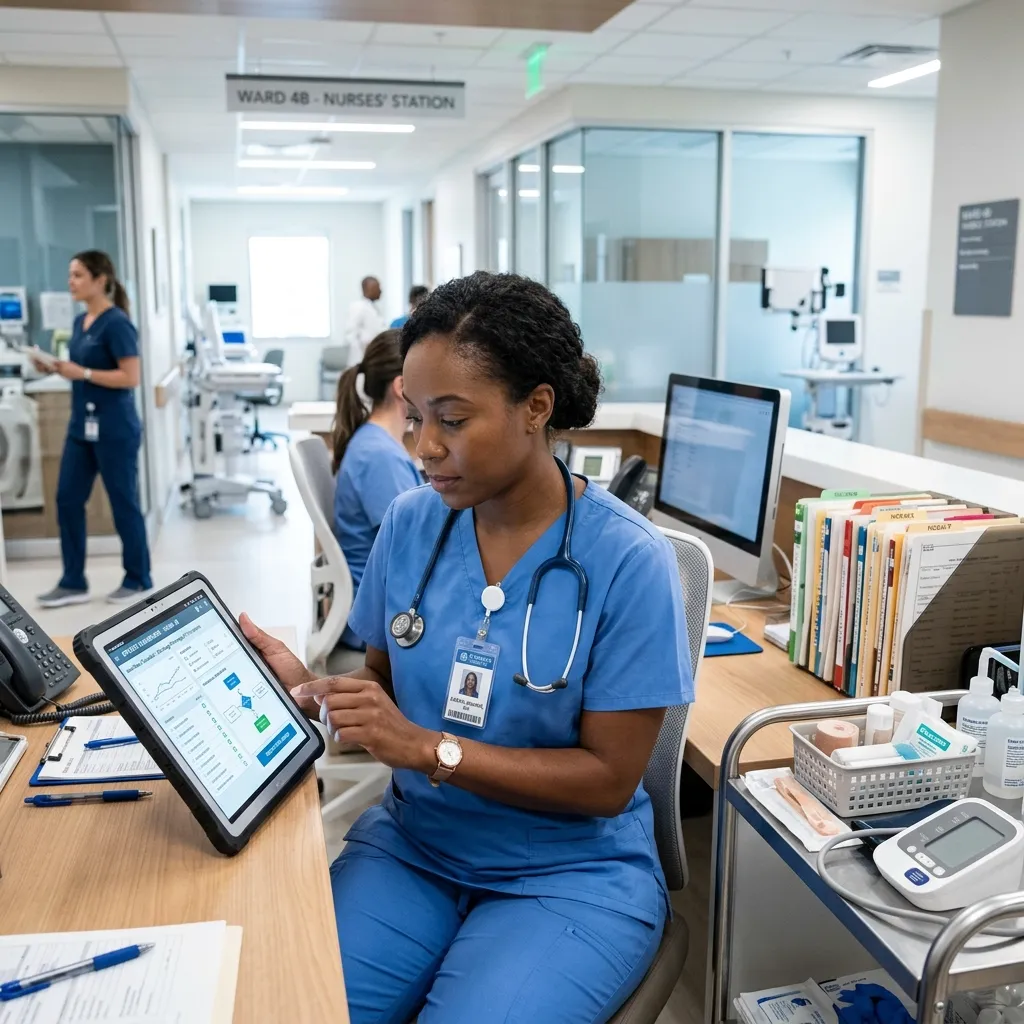 A structured approach turns good intentions into measurable results. Follow these five steps to improve any clinical or administrative process.
Step 1: Assess and Analyze Current Workflows
Start by mapping how work actually flows today. Observe staff, document each step, and gather data on timing and handoffs. You cannot fix what you do not understand, so this assessment forms the foundation of everything that follows.
Step 2: Identify Bottlenecks and Inefficiencies
With your map in hand, look for the choke points. Where do patients wait? Which tasks get duplicated? Where do errors creep in? Pinpointing these problem areas tells you exactly where Healthcare Workflow Optimization will deliver the most value.
Step 3: Design New Workflows
Redesign each broken process with efficiency and safety in mind. Remove redundant steps, automate where possible, and clarify who does what. Involve frontline staff in the design so the new workflow fits real-world conditions.
Step 4: Implement and Train
Roll out changes in stages rather than all at once. A phased approach lets your team troubleshoot issues in one department before expanding. Thorough training and designated “super-users” help colleagues adopt the new system with confidence.
Step 5: Monitor, Evaluate, and Improve Continuously
Optimization never truly ends. Track key metrics after launch, gather staff feedback, and refine the workflow over time. Continuous improvement keeps your processes sharp as needs and technology evolve.
What Do Real-World Workflow Optimization Success Stories Look Like?
Examples bring these principles to life. Consider a mid-sized hospital that struggled with long emergency room wait times. By introducing digital triage and real-time bed-tracking dashboards, the facility shortened average wait times and improved patient flow through the department.
Another common success comes from billing optimization. Clinics that automate claims coding and insurance verification routinely reduce claim denials and accelerate their revenue cycle. Faster, cleaner billing means fewer reworked claims and steadier cash flow.
Outpatient clinics also see gains from patient self-scheduling and automated reminders, which reduce no-show rates and keep providers’ calendars full. Across these examples, the pattern holds: targeted Clinical Workflow Optimization produces faster service, lower costs, and happier patients and staff.
What Does the Future of Healthcare Workflow Optimization Hold?
The next wave of innovation will make workflows even smarter and more proactive. Several trends are already taking shape.
Emerging technologies like AI, the Internet of Things (IoT), and blockchain will deepen automation and strengthen data security. Wearable devices will stream real-time biometric data directly into records, letting providers act before problems escalate.
Predictive analytics will move care from reactive to proactive. By analyzing historical data, systems will flag at-risk patients early, supporting timely intervention—an approach that complements strategies in our chronic disease management guide. Combined with personalized medicine, these tools will tailor both treatment and workflow to each patient’s unique needs, making healthcare more precise and efficient than ever.
Conclusion
Healthcare Workflow Optimization is not a one-time project but an ongoing commitment to better care. By targeting the right areas—registration, scheduling, documentation, medication, discharge, and billing—and applying the right technologies, organizations can cut errors, lower costs, and lift staff morale.
The path forward is practical. Begin by assessing your current workflows, identify the biggest bottlenecks, and redesign those processes with input from your team. Roll out changes in stages, train thoroughly, and keep measuring results so you can improve continuously.
Start small and build momentum. Map one workflow this week, find one bottleneck, and test one improvement. Every step toward smarter Healthcare Workflow Management brings your organization closer to safer, faster, and more rewarding care.
Frequently Asked Questions
1. What is healthcare workflow optimization?
Healthcare workflow optimization is the process of analyzing and improving how clinical and administrative tasks are completed in a medical facility. It removes redundant steps, automates repetitive work, and connects systems to reduce errors, cut costs, and improve patient care.
2. Why is healthcare workflow optimization important?
It matters because inefficient workflows cause medical errors, long patient wait times, and staff burnout. Optimizing workflows gives clinicians more time for patients, lowers operating costs, and improves both safety and satisfaction across the organization.
3. Which technologies are most useful for clinical workflow optimization?
The most impactful technologies include EHR and EMR systems, telemedicine platforms, artificial intelligence, robotic process automation (RPA), data analytics tools, and interoperability solutions that let different systems share data securely.
4. How long does it take to optimize a healthcare workflow?
Timelines vary by scope. A single process improvement may take a few weeks, while a facility-wide transformation can take many months. A phased rollout, one department at a time, helps manage the process and reduce disruption.
5. What are the biggest challenges in workflow optimization?
The main challenges are staff resistance to change, the complexity of integrating new tools with legacy systems, data security and privacy concerns, and the upfront cost of software, hardware, and training.
6. How much does healthcare workflow optimization cost?
Costs depend on the size of the facility and the scope of changes. They include software, hardware upgrades, and training. While the upfront investment can be significant, long-term savings from reduced errors and labor often justify the expense.
7. Who benefits most from healthcare process optimization?
Patients, clinical staff, and administrators all benefit. Patients get faster, safer care; clinicians spend less time on paperwork; and administrators gain clearer control over operations and costs.
8. How does AI improve healthcare workflow management?
AI analyzes large datasets to predict admission spikes, automate medical coding, and support clinical decisions. It reduces manual work and helps staff plan resources and respond to patient needs more quickly.
9. What is the first step to optimizing healthcare workflows?
The first step is to assess and map your current workflows. Observing how work actually flows reveals where delays, duplication, and errors occur, giving you a clear foundation for improvement.
10. How is workflow optimization different from a hospital management system?
A hospital management system is the software platform that runs operations. Workflow optimization is the ongoing practice of improving how staff use that system and complete tasks. The two work together for the best results.
