



A Hospital Patient Management System is a comprehensive digital platform designed to streamline medical and administrative workflows. By centralizing electronic health records, scheduling, and billing, this software reduces medical errors, improves operational efficiency, and ensures strict regulatory compliance for healthcare providers.
Managing a medical facility requires balancing complex administrative tasks with high-quality clinical care. Historically, hospitals relied on mountains of paper records, manual scheduling books, and fragmented communication channels. This approach often led to delayed treatments, billing errors, and frustrated patients. Today, digital transformation is reshaping how medical facilities operate, making seamless coordination a reality.
A Hospital Patient Management System serves as the central nervous system of a modern medical facility. This software replaces outdated manual processes with an integrated digital network. By connecting doctors, nurses, pharmacists, and administrative staff, the platform ensures everyone has access to accurate, real-time information.
Implementing a robust Healthcare Information System allows medical professionals to spend less time on paperwork and more time treating individuals. From the moment a person walks through the hospital doors to their post-discharge follow-up, the software tracks every interaction. This comprehensive guide will explore the key features, benefits, challenges, and future trends of these critical healthcare platforms.
What is a Hospital Patient Management System (HPMS)?
A Hospital Patient Management System is a specialized software solution that manages all aspects of a clinic or hospital’s operations. The platform integrates clinical, administrative, and financial data into a single, secure environment. This integration ensures that a doctor reviewing a patient’s chart sees the same updated information as the billing department processing the insurance claim.
The evolution of patient management in healthcare has been rapid. In the late 20th century, early software only handled basic billing and registration. Over time, these systems evolved into comprehensive platforms encompassing clinical charting, laboratory integrations, and telemedicine. Modern Patient Management Software now utilizes cloud computing, allowing authorized staff to access critical data from any secure device.
This technology is crucial in modern healthcare because the volume of medical data is growing exponentially. Facilities must track complex treatment plans, manage strict regulatory requirements, and coordinate care across multiple departments. Without a centralized Hospital Management System, the risk of miscommunication and medical errors increases significantly.
What Are the Key Features of an Effective HPMS?
 A highly functional Hospital Patient Management System includes several interconnected modules. Each component serves a specific purpose, working together to create a seamless operational workflow.
How Does the System Handle Patient Registration and Admission?
The patient registration module acts as the digital front door of the hospital. When an individual arrives, administrative staff use the system to capture demographic details, insurance information, and medical history. This module generates a unique patient identifier, ensuring that all future medical records, lab results, and billing statements link correctly to that individual. Fast and accurate registration reduces wait times and improves the initial patient experience.
Why Are Electronic Health Records (EHR) Essential?
Electronic Health Records (EHR) and Electronic Medical Records (EMR) form the clinical core of any Healthcare Information System. Digital records offer numerous benefits over paper charts. They eliminate the issue of illegible handwriting, prevent lost files, and allow multiple providers to view a chart simultaneously.
Interoperability and data exchange are critical aspects of modern EHR modules. The system must communicate securely with external laboratories, specialist clinics, and pharmacies. This ensures that the attending physician has a complete picture of the patient’s medical history, regardless of where previous care occurred.
How Is Appointment Scheduling Managed?
Efficient scheduling prevents long wait times and optimizes the use of hospital resources. The appointment scheduling module allows staff to book consultations, surgical suites, and imaging equipment without double-booking. Many modern systems also include patient portals, empowering individuals to schedule, reschedule, or cancel their own appointments online.
What Role Does Billing and Financial Management Play?
The billing and financial management component automates the complex process of healthcare revenue cycles. The software tracks every service, medication, and procedure provided during a visit. It then cross-references these items with the patient’s insurance coverage, generates claims, and flags potential coding errors before submission. This automation significantly reduces claim denials and accelerates hospital revenue.
How Does Pharmacy Management Integration Work?
Pharmacy management integration connects the prescribing physician directly to the hospital dispensary. When a doctor orders a medication through the system, the software automatically checks for potential drug interactions or patient allergies. The pharmacy staff receives the electronic prescription instantly, reducing wait times and preventing errors associated with handwritten notes.
What Are Laboratory and Radiology Information Systems (LIS/RIS)?
Diagnostic testing is a cornerstone of effective medical care. The integration of Laboratory and Radiology Information Systems (LIS/RIS) allows doctors to order tests electronically. Once the laboratory or radiology department completes the analysis, the results populate directly into the patient’s electronic health record. This rapid data transfer is essential for accurate clinical decision-making. You can explore how these diagnostic workflows operate in this medical diagnosis guide.
Why Are Reporting and Analytics Important?
Hospital administrators rely on data to make strategic decisions. The reporting and analytics module tracks key performance indicators, such as average wait times, bed occupancy rates, and financial revenue. By analyzing this data, hospital leadership can identify bottlenecks, allocate staff more effectively, and improve overall facility performance.
How Is Telemedicine Integrated?
Following recent global health shifts, telemedicine and remote patient monitoring have become essential features. A modern Hospital Patient Management System includes secure video conferencing tools and integrates data from wearable health devices. This allows doctors to conduct virtual follow-up appointments and monitor chronic conditions continuously, aligning with modern patient care guidelines.
What Are the Benefits of Implementing a Robust HPMS?
 Deploying a comprehensive Hospital Management System requires a significant investment of time and capital. However, the benefits extend across every level of the organization.
How Does the System Enhance Patient Care and Safety?
The primary goal of any medical facility is to provide safe, effective care. The software significantly reduces medical errors by providing clinical decision support. For example, if a physician prescribes a medication that conflicts with a patient’s existing treatment, the system immediately generates an alert. Improving diagnosis and treatment becomes easier when doctors have instant access to a complete, legible medical history.
How Does It Improve Operational Efficiency and Cost Reduction?
Manual administrative tasks consume thousands of hours of staff time annually. By streamlining workflows, Patient Management Software allows nurses and administrative staff to focus on patient care rather than paperwork. Reducing the administrative burden also lowers labor costs. Furthermore, accurate inventory tracking within the pharmacy and supply chain modules prevents the over-purchasing and expiration of expensive medical supplies. For a deeper look at workflow optimization, refer to this healthcare management system guide.
Why Is Data Management and Accessibility Crucial?
A centralized database ensures that there is a single source of truth for patient information. Real-time data accessibility enables better decision-making during emergencies. If an unconscious patient arrives at the emergency room, doctors can quickly retrieve their medical history, blood type, and emergency contacts through the digital system.
How Does the System Ensure Regulatory Compliance and Security?
Healthcare organizations must adhere to strict data privacy regulations, such as HIPAA in the United States. A robust Healthcare Information System includes built-in compliance tools, such as role-based access controls and audit trails. These cybersecurity measures ensure that only authorized personnel can view sensitive medical records, protecting the hospital from devastating data breaches and legal penalties.
How Is the Patient Experience Enhanced?
A positive patient experience is highly dependent on communication and convenience. Features like online appointment booking, automated SMS reminders, and secure portals for viewing lab results empower patients to take control of their health. When administrative friction is reduced, patients report higher satisfaction scores and greater trust in their healthcare providers.
What Are the Challenges in HPMS Implementation?
While the benefits are clear, transitioning to a new Hospital Patient Management System involves several complex challenges that organizations must navigate carefully.
What Are the Initial Investment and Maintenance Costs?
Purchasing enterprise-grade software, upgrading hospital hardware, and paying for ongoing technical support requires substantial financial resources. Smaller clinics may struggle with these initial capital expenditures. Organizations must conduct a thorough cost-benefit analysis to ensure the long-term savings justify the upfront investment.
How Do You Manage Staff Training and Adoption?
Software is only effective if the staff knows how to use it. Transitioning from familiar legacy processes to a new digital platform often causes frustration among doctors, nurses, and administrative personnel. Comprehensive staff training programs and ongoing support are essential to drive user adoption and prevent workflow disruptions.
How Is Data Migration Handled?
Moving years of patient data from an old system to a new Hospital Management System is a high-risk operation. Data migration and integration with legacy systems must be executed flawlessly to prevent lost records or corrupted files. IT teams must map data fields carefully and conduct extensive testing before the system goes live.
Why Are Customization and Scalability Difficult?
Every hospital has unique operational workflows. A generic software solution may not fit the specific needs of a specialized pediatric clinic or an oncology department. Finding a system that offers deep customization while remaining scalable as the facility grows is a significant challenge for healthcare executives.
What About Cybersecurity Threats?
As hospitals become increasingly digital, they become prime targets for cybercriminals. Ransomware attacks can lock doctors out of critical medical records, putting patient lives at risk. Defending against cybersecurity threats and data breaches requires continuous software updates, employee security training, and robust data encryption protocols.
How Do You Choose the Right Hospital Patient Management System?
Selecting the correct software platform is a critical decision that will impact the hospital’s operations for a decade or more.
How Should You Assess Your Hospital’s Needs?
Before evaluating vendors, hospital leadership must conduct a thorough internal assessment. Identify the specific pain points in the current workflow. Does the facility struggle most with billing delays, or is the primary issue poor communication between departments? Choose a cloud-based Patient Management Software if your facility has multiple remote clinics, but opt for an on-premise solution if your organization requires absolute control over data hosting.
What Is the Vendor Selection Process?
Vendor selection and evaluation should involve stakeholders from every department, including physicians, nurses, billing staff, and IT professionals. Request live demonstrations of the software and ask vendors to showcase how the system handles specific, real-world clinical scenarios.
What Key Questions Should You Ask Potential Vendors?
When interviewing software providers, ask direct questions regarding their platform’s capabilities:
- Does this system offer seamless API integration with our existing accounting software?
- What is your guaranteed server uptime, and how is data backed up?
- Can you provide case studies from hospitals of a similar size that have implemented your solution?
- What does the ongoing customer support and training structure look like?
What Is the Best Implementation Strategy?
A phased implementation strategy is generally safer than a complete overnight replacement. Roll out the software in one department at a time, allowing the IT team to troubleshoot issues before expanding the platform hospital-wide. Clear communication and designated “super-users” within the clinical staff help facilitate a smoother transition.
What Is the Future of Hospital Patient Management Systems?
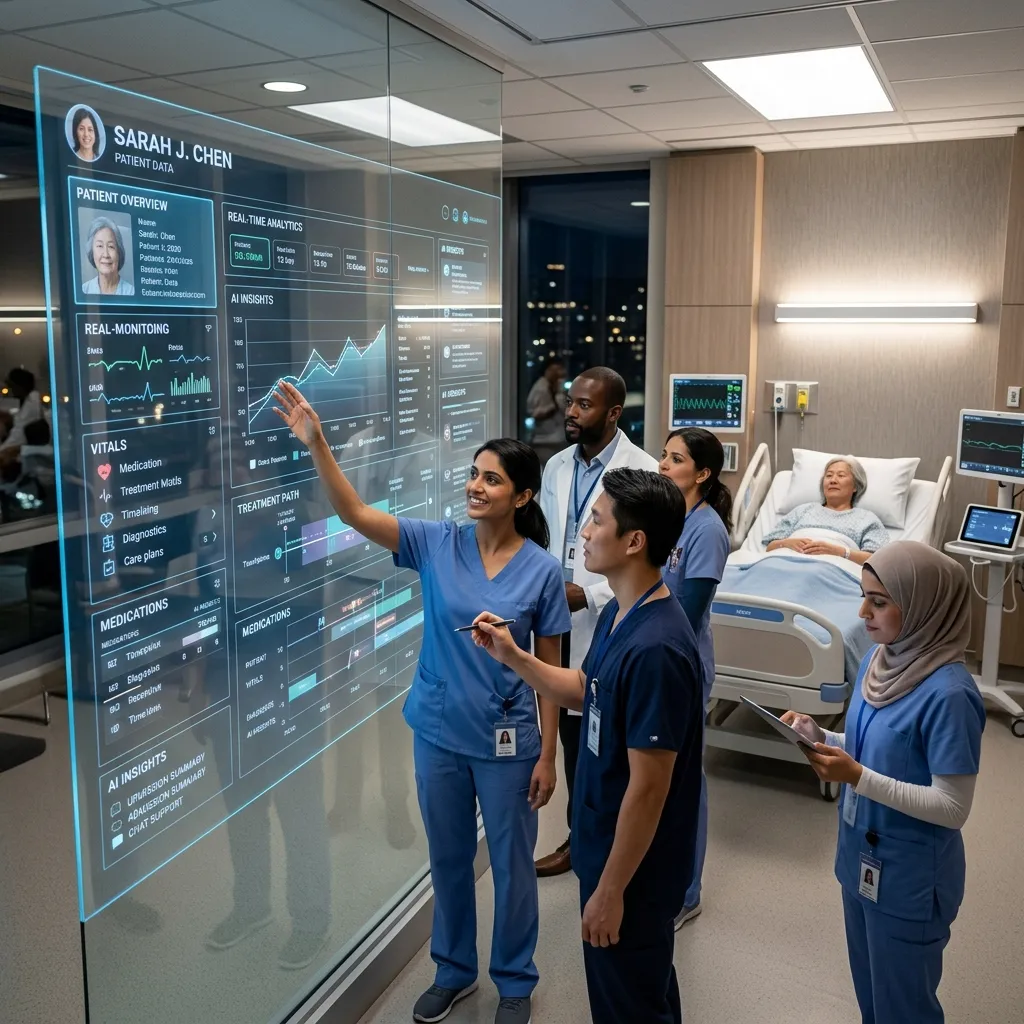 The landscape of healthcare technology continues to shift rapidly. The next generation of Patient Management Software will incorporate advanced technologies to further improve patient outcomes.
How Will AI and Machine Learning Impact HPMS?
Artificial Intelligence (AI) and machine learning algorithms are beginning to analyze the vast amounts of data stored within electronic health records. AI tools can predict patient admission spikes, automate complex medical coding, and even assist doctors by highlighting potential diagnoses based on a patient’s symptoms and history.
What Is the Role of Blockchain in Healthcare?
Blockchain technology offers a new method for securing sensitive medical data. By creating decentralized, tamper-proof ledgers of patient records, blockchain can enhance data security and give patients complete control over who accesses their medical history.
How Will Predictive Analytics Shape Personalized Medicine?
Predictive analytics allow healthcare providers to identify at-risk individuals before chronic conditions cause severe complications. By analyzing historical health data, the system can flag patients who require early intervention. This proactive approach aligns with strategies discussed in this chronic disease management guide.
How Will IoT and Wearables Be Integrated?
The integration of wearable technology and Internet of Things (IoT) devices will stream real-time biometric data—such as heart rate and blood glucose levels—directly into the hospital’s digital records. This continuous data flow enables doctors to monitor patients remotely and adjust treatment plans instantly.
Conclusion
A Hospital Patient Management System (HPMS) plays a vital role in modern healthcare by improving efficiency, accuracy, and patient care. It streamlines hospital operations, reduces administrative workload, and enhances communication between departments. As technology continues to evolve, HPMS solutions will become more advanced with features like AI integration, automation, and real-time data access. Implementing a robust system not only improves hospital performance but also ensures better patient experiences and long-term healthcare outcomes.
FAQs about Hospital Patient Management Systems
1. What is a Hospital Patient Management System?
A Hospital Patient Management System is an integrated software platform that streamlines clinical, administrative, and financial operations within a medical facility. It centralizes patient records, scheduling, and billing.
2. Why is Electronic Health Record (EHR) integration important?
EHR integration ensures that all medical providers have instant access to a patient’s complete, up-to-date medical history. This reduces the risk of diagnostic errors and prevents dangerous medication interactions.
3. How does Patient Management Software improve hospital billing?
The software automates the medical billing process by tracking procedures, cross-referencing insurance coverage, and checking for coding errors. This leads to faster claim approvals and reduced revenue loss.
4. Can a Healthcare Information System help with regulatory compliance?
Yes. Modern systems include built-in security features, audit trails, and data encryption protocols designed to meet strict healthcare regulations like HIPAA.
5. What are the main challenges of implementing this software?
Common challenges include high initial financial costs, the complexity of migrating old data, managing staff resistance to new workflows, and ensuring robust cybersecurity defenses.
6. How does telemedicine integrate with hospital management software?
Telemedicine modules allow doctors to conduct secure video consultations directly through the software. The system automatically logs the virtual visit details into the patient’s electronic health record.
7. What is a Laboratory Information System (LIS)?
An LIS is a software component that manages the workflow of a medical laboratory. It tracks diagnostic test orders, records the results, and automatically updates the patient’s main hospital chart.
8. How do patient portals improve the healthcare experience?
Patient portals give individuals secure online access to their medical records, lab results, and upcoming appointments. This transparency empowers patients and reduces the volume of administrative phone calls.
9. What role will Artificial Intelligence play in the future of HPMS?
Artificial Intelligence will automate complex administrative tasks, optimize hospital bed allocation, and provide clinical decision support by analyzing large datasets to predict patient health trends.
10. How should a hospital choose the right management system?
A hospital should assess its specific operational bottlenecks, involve clinical and administrative staff in the vendor evaluation process, ensure the software is highly secure, and verify that it integrates well with existing tools.
